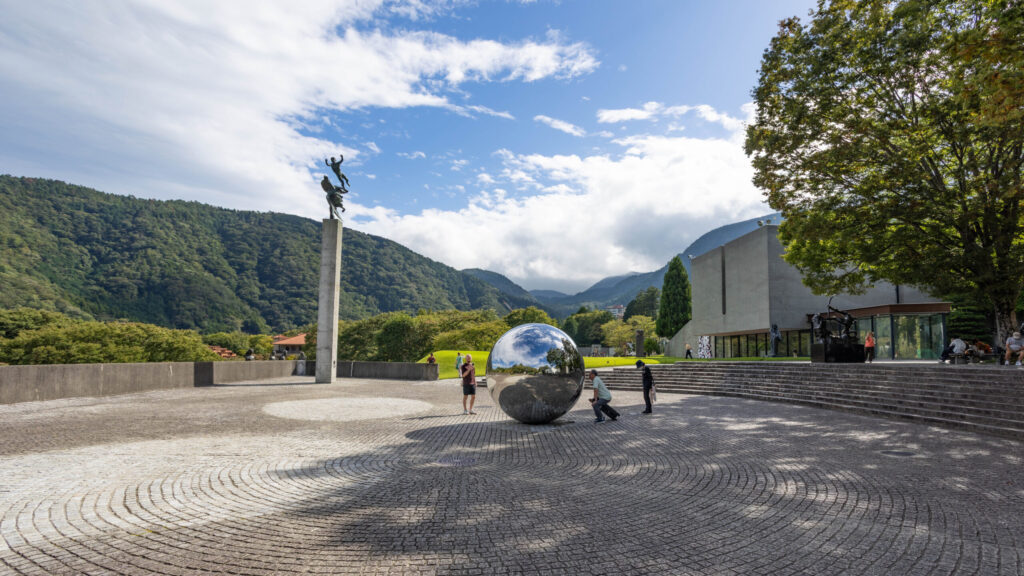
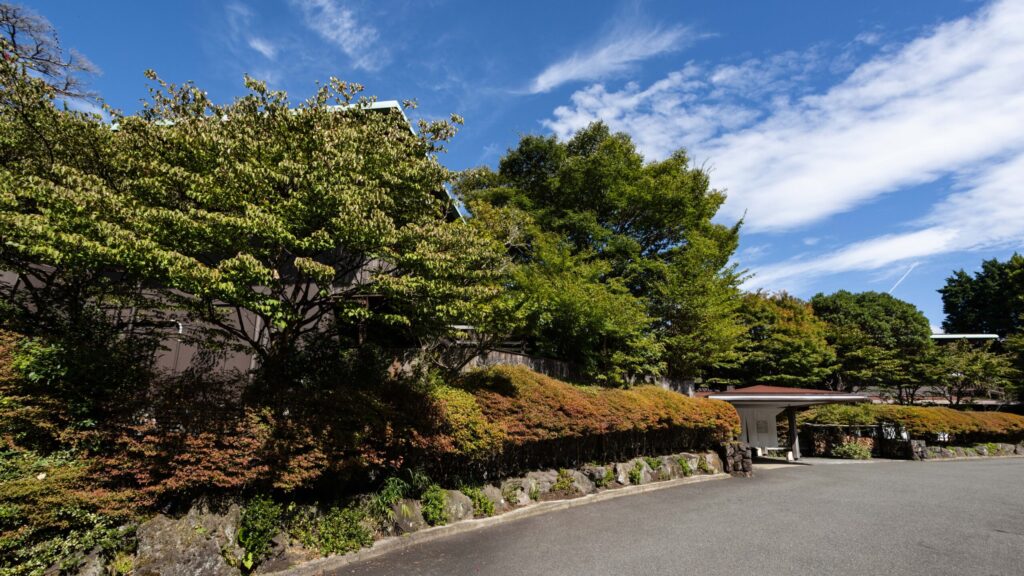
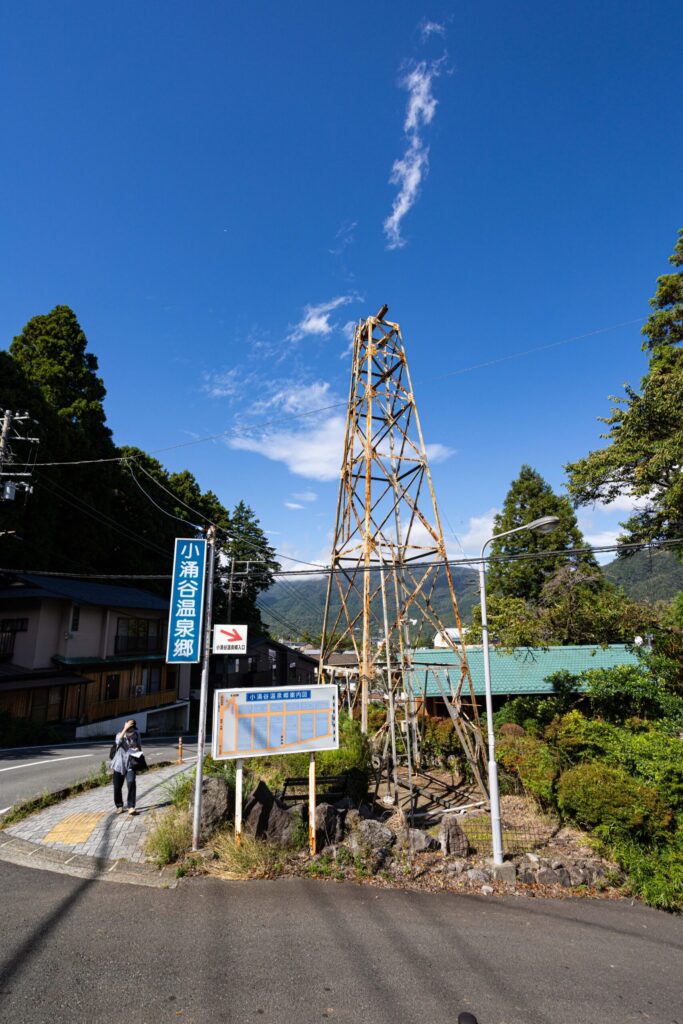
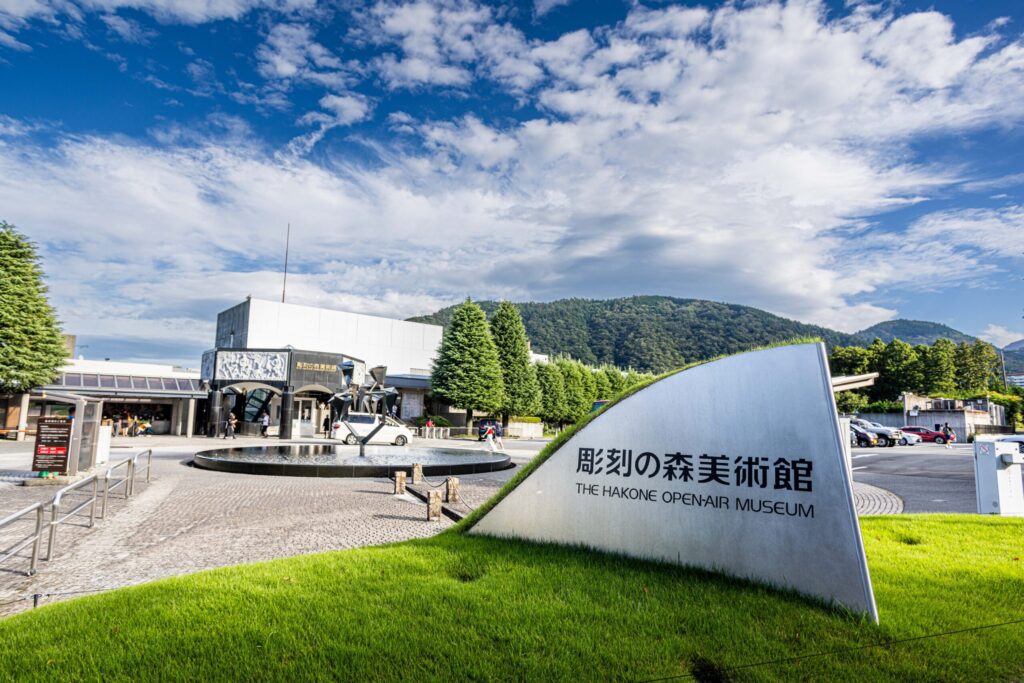
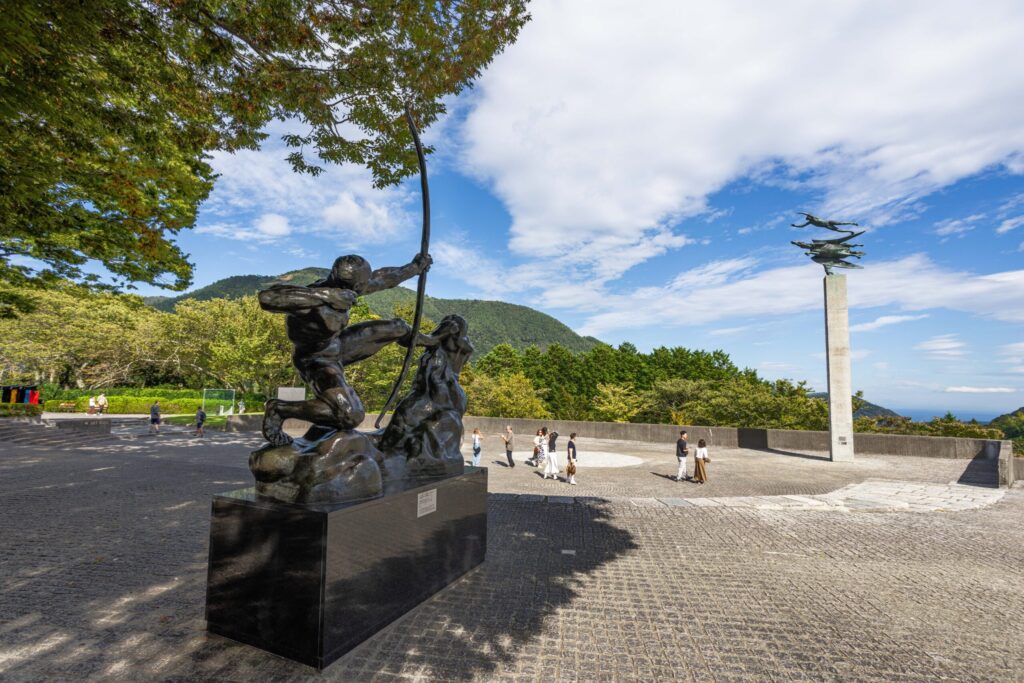
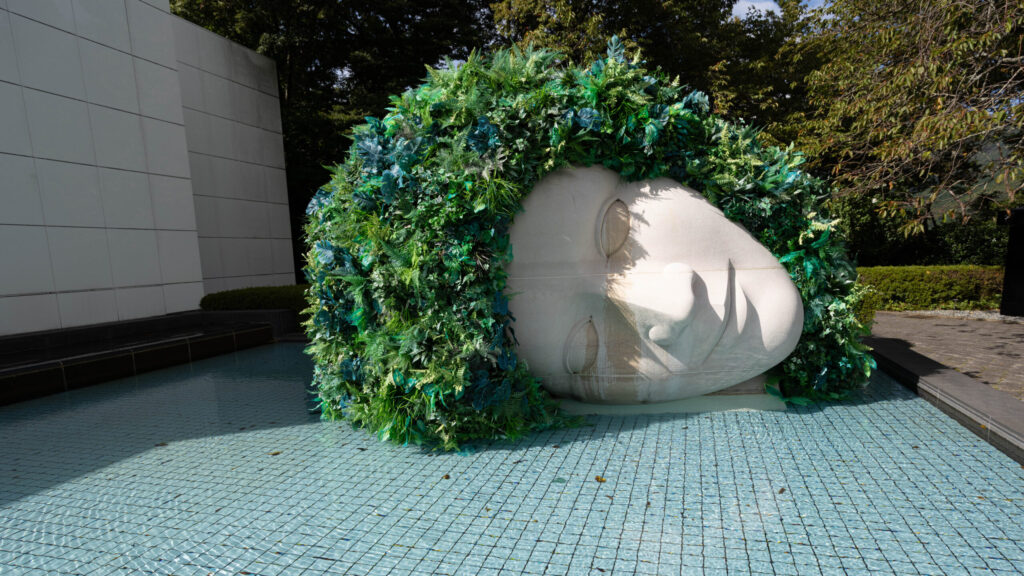
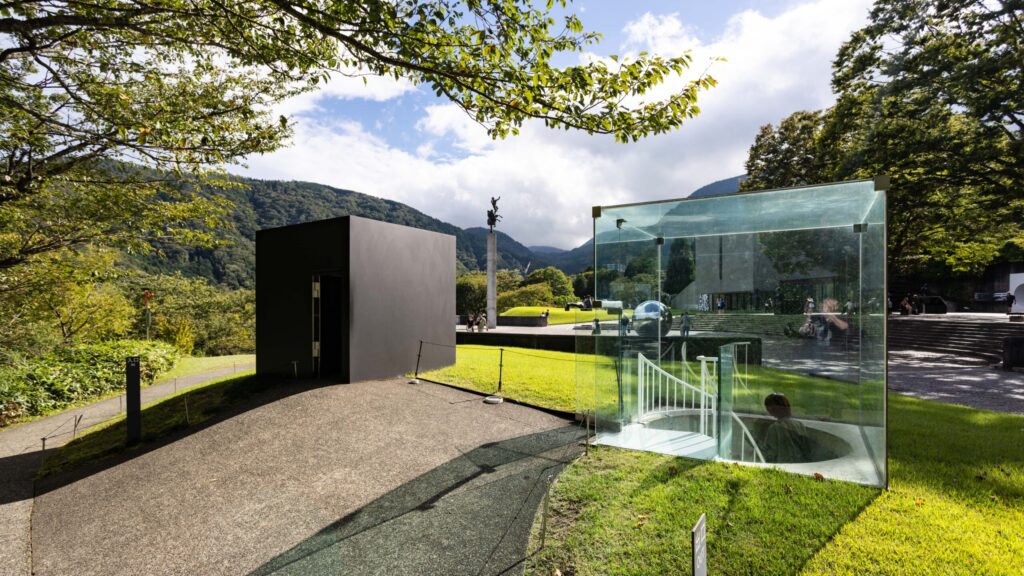
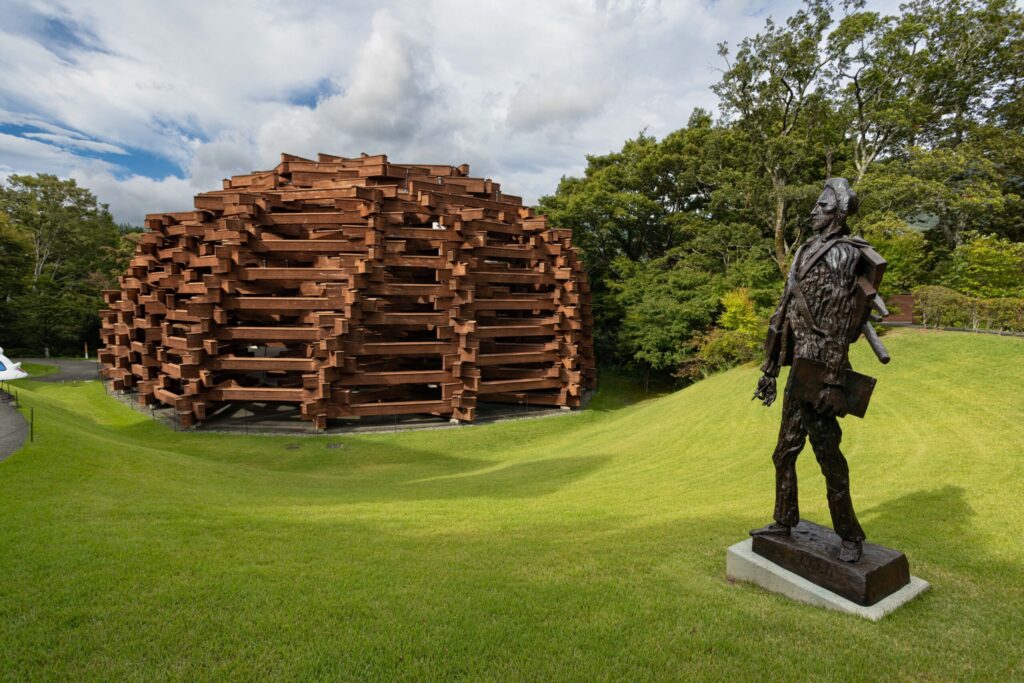
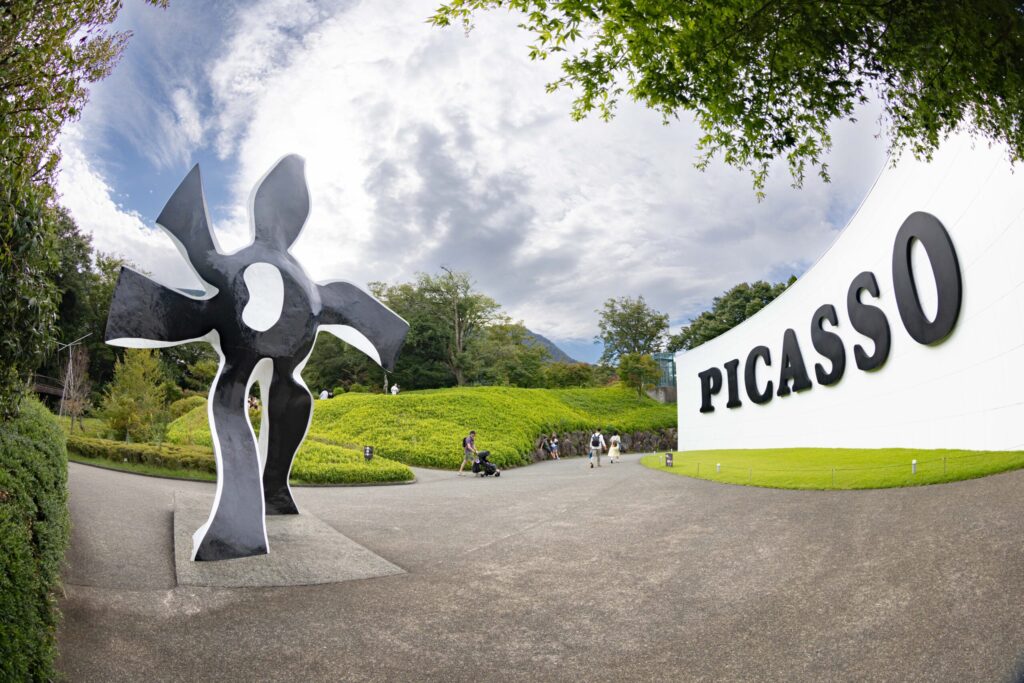
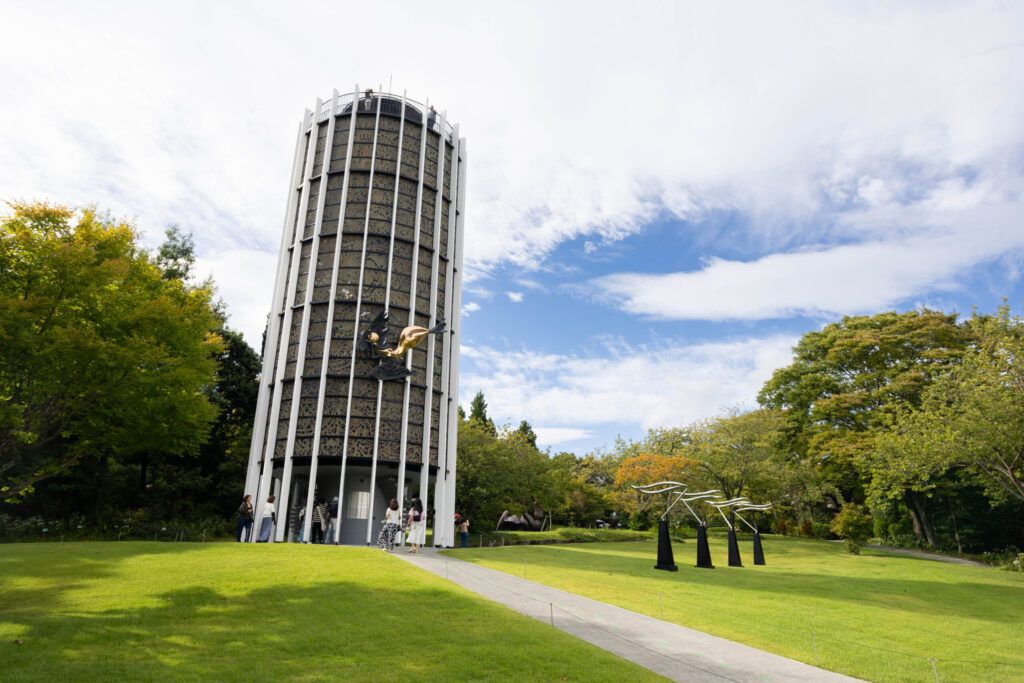
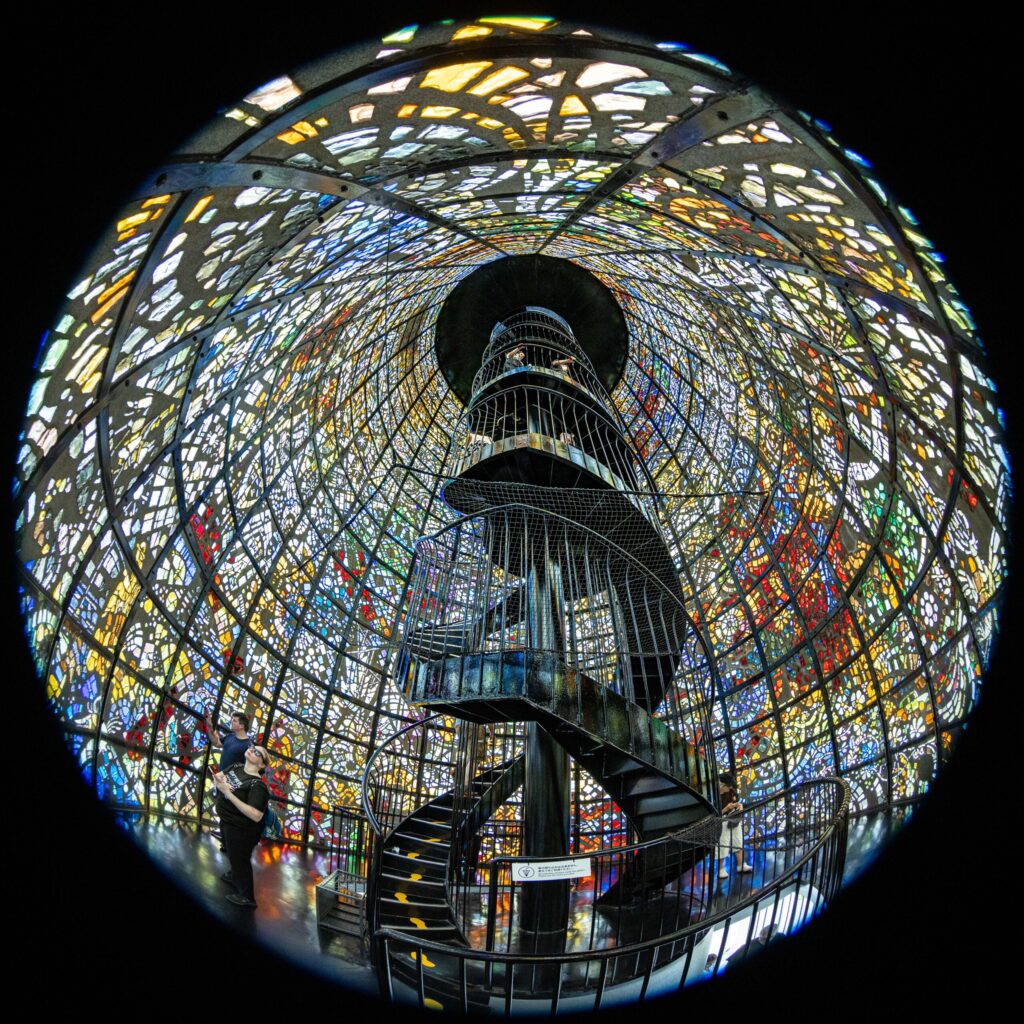
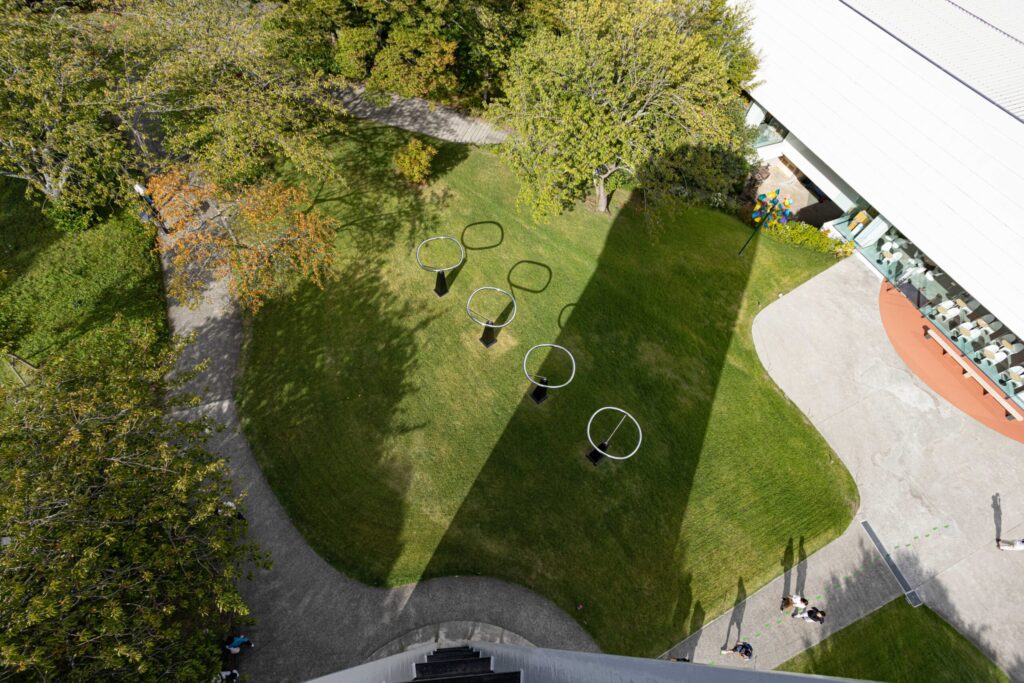
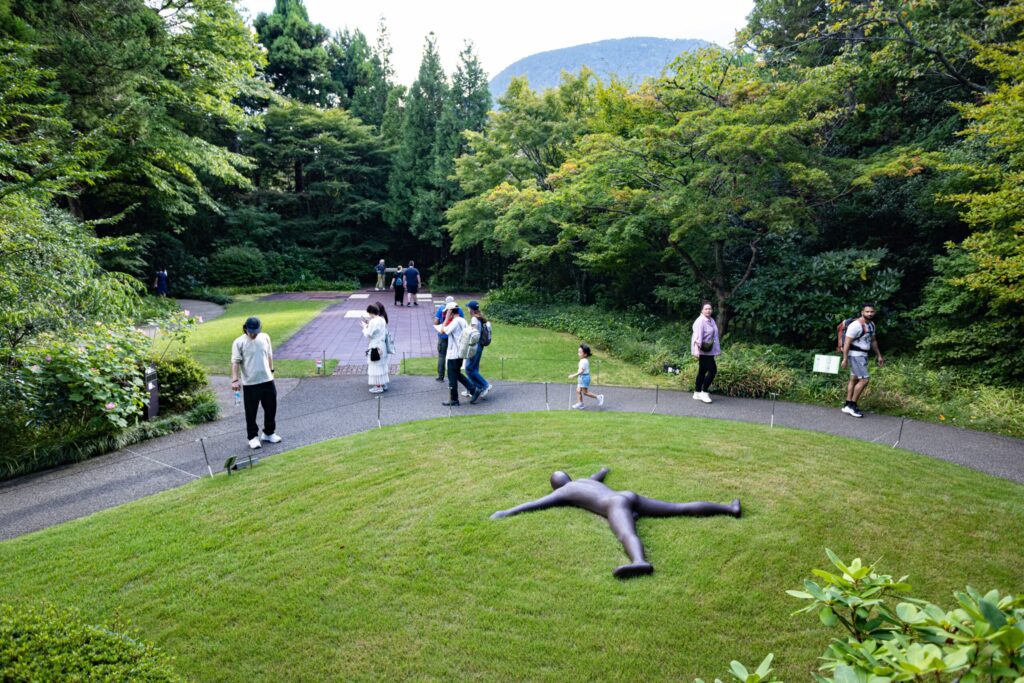
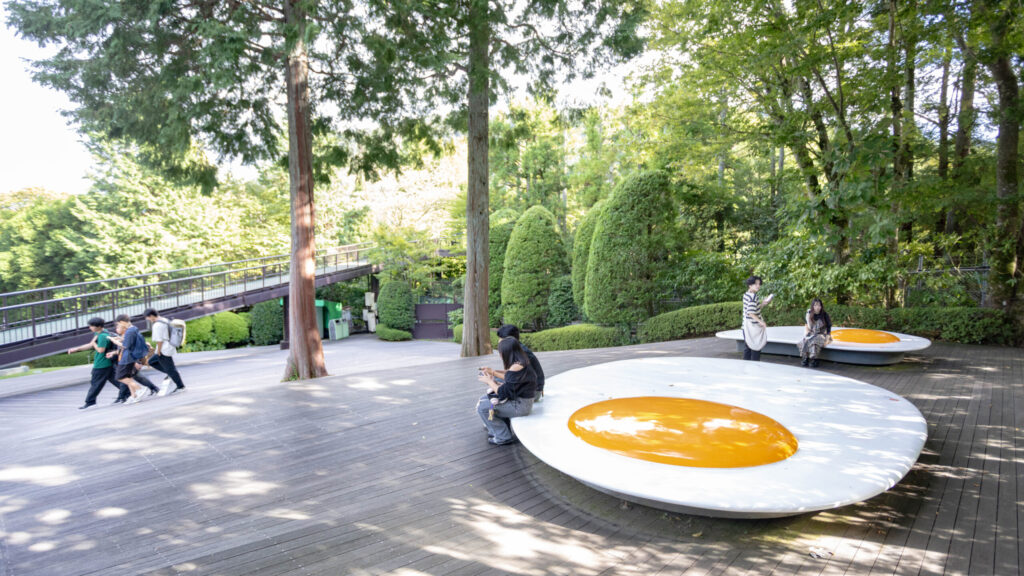
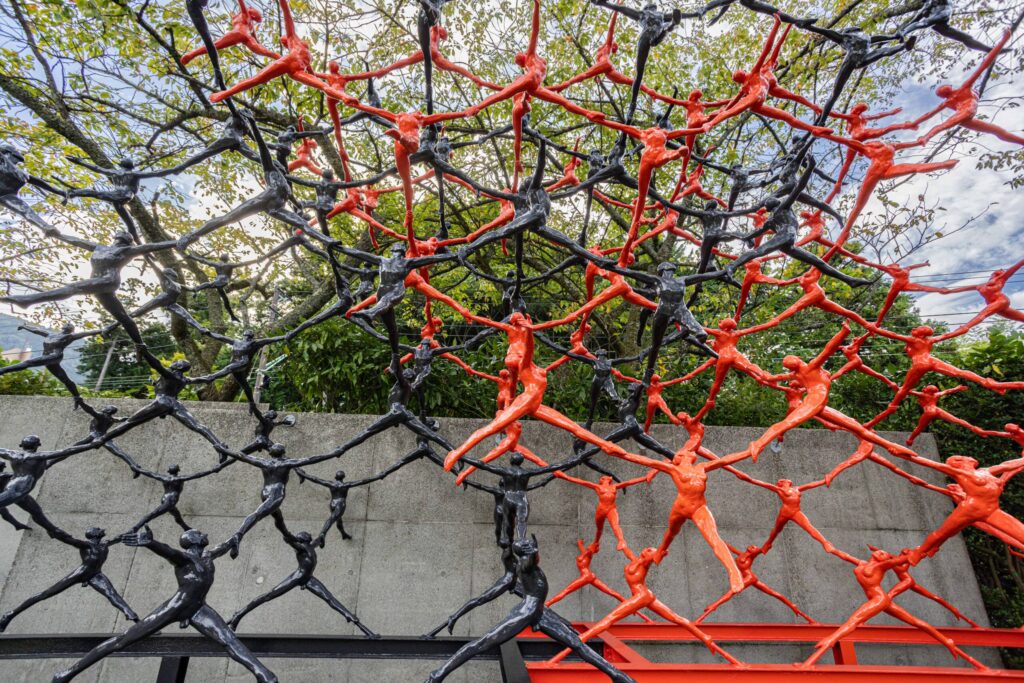
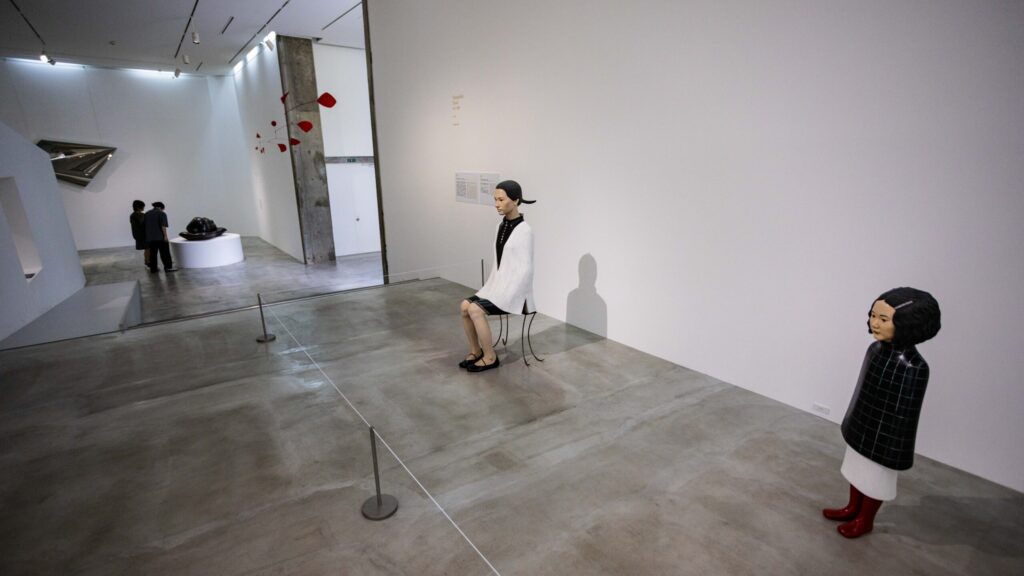
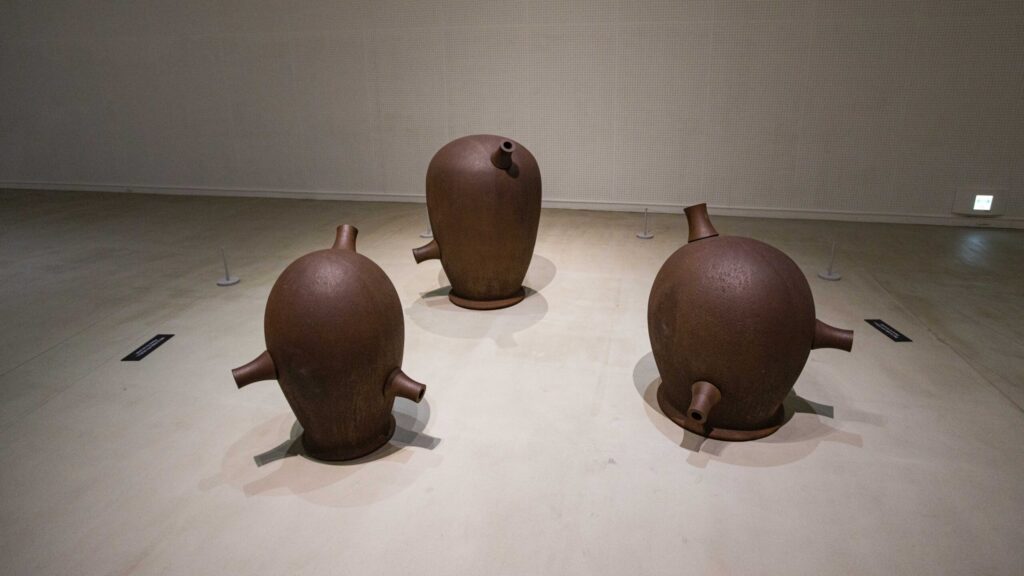
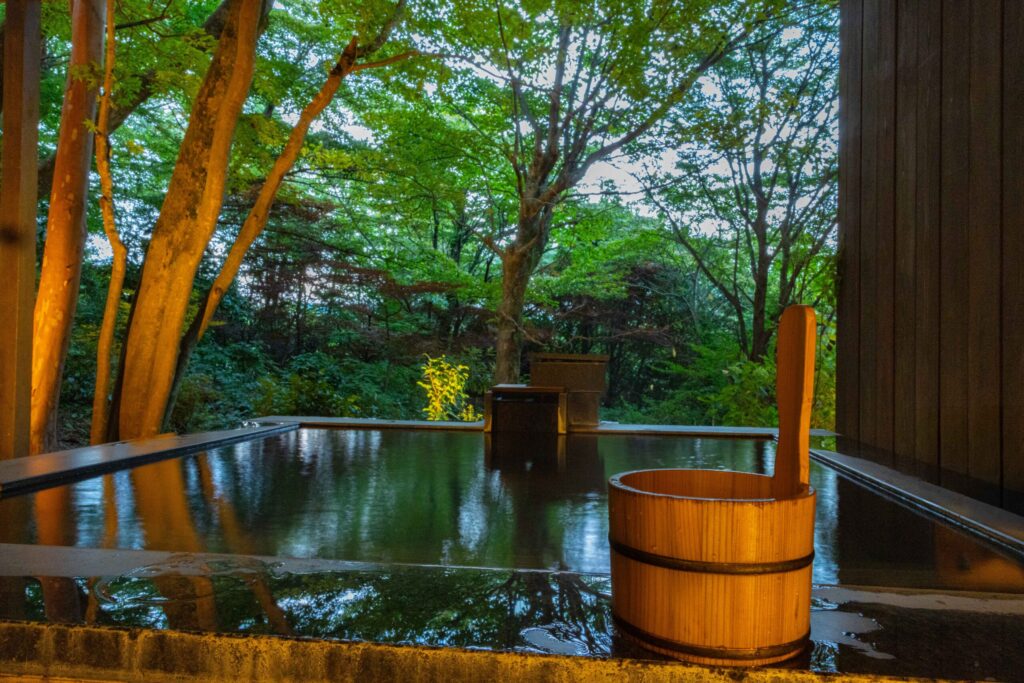
Again it depends on your definition of slow… For Kim it was relaxing at the onsen, for me it was relaxing for a while… Then a walk. Near the onsen is the Harkone Open Air Museum which opened in 1969 and was the first museum of this type in Japan. There are over 100 sculptures in a park setting plus multiple indoor exhibition halls.With it only being a 25 minute down hill walk from the onsen, I could not resist. The return uphill to the onsen I was not so crazy about, these hills are steep. Luckly the onsen has a free on call shuttle I took advantage of. I am crazy, not stupid.
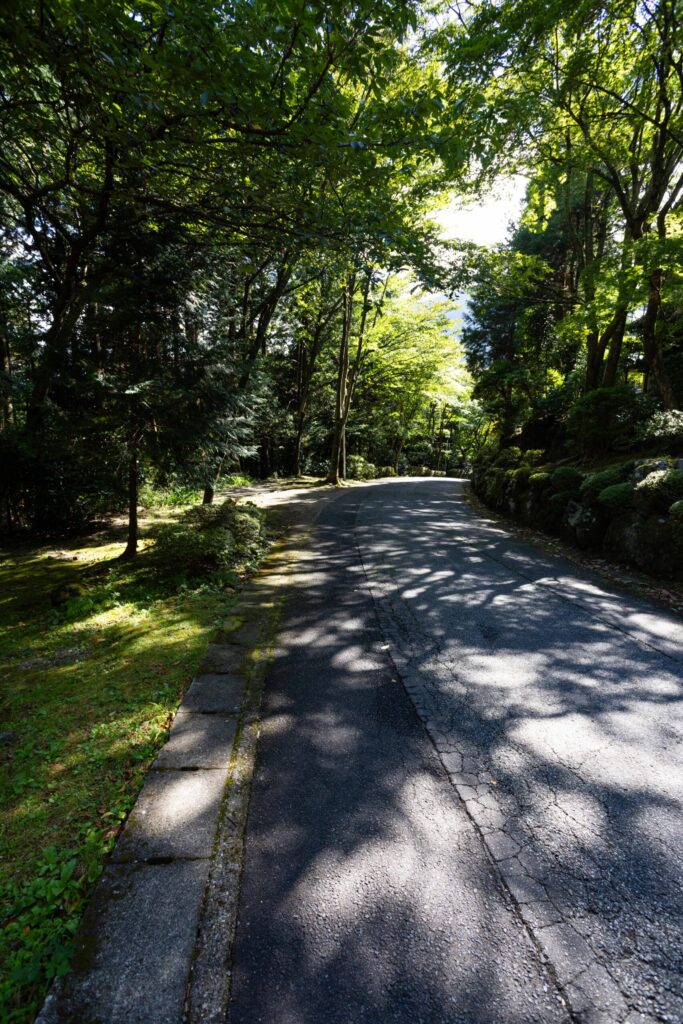
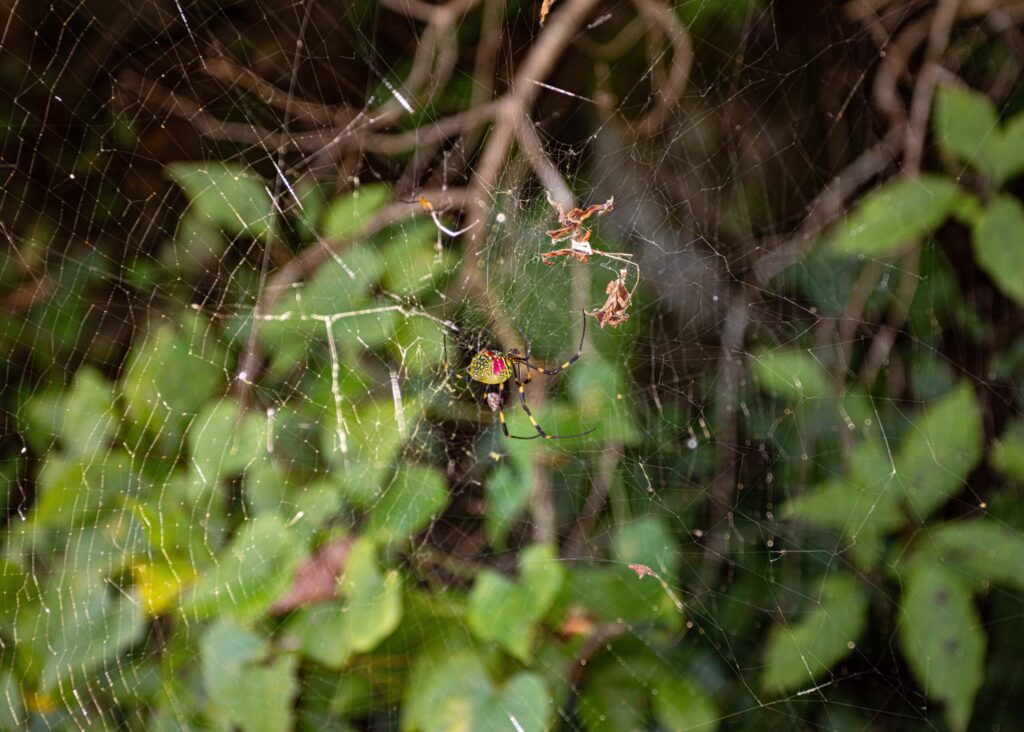
The walk down was through a heavy forested area, quite nice with some very colorful Jura Spiders cautiously watching me go by. The museum was worth the effort on a nice fall day, I will let the pictures speak for it.
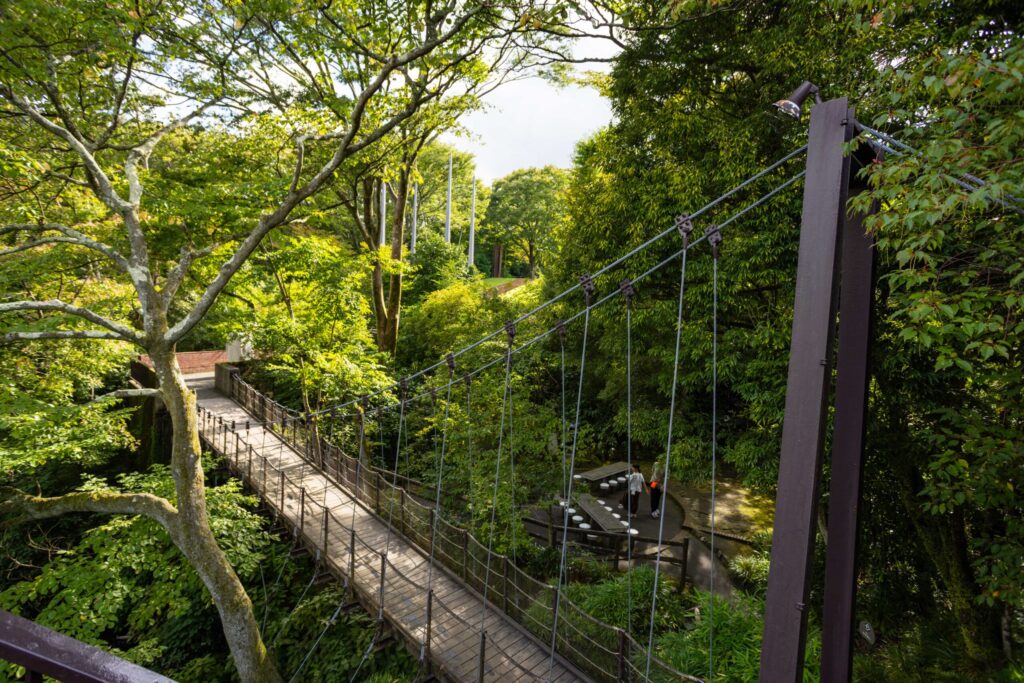
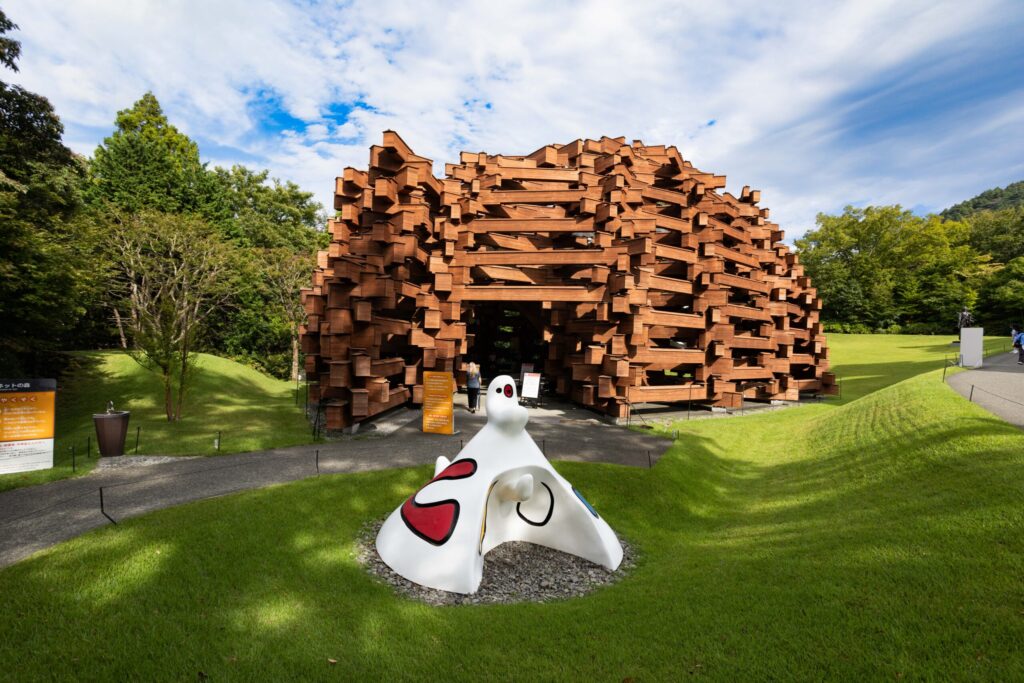
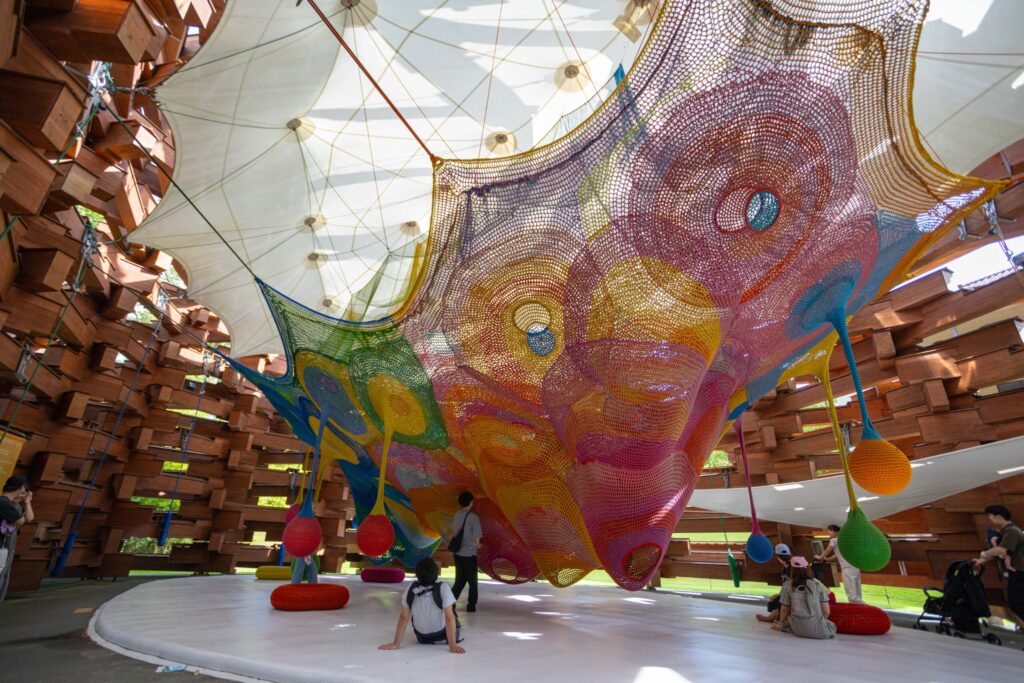
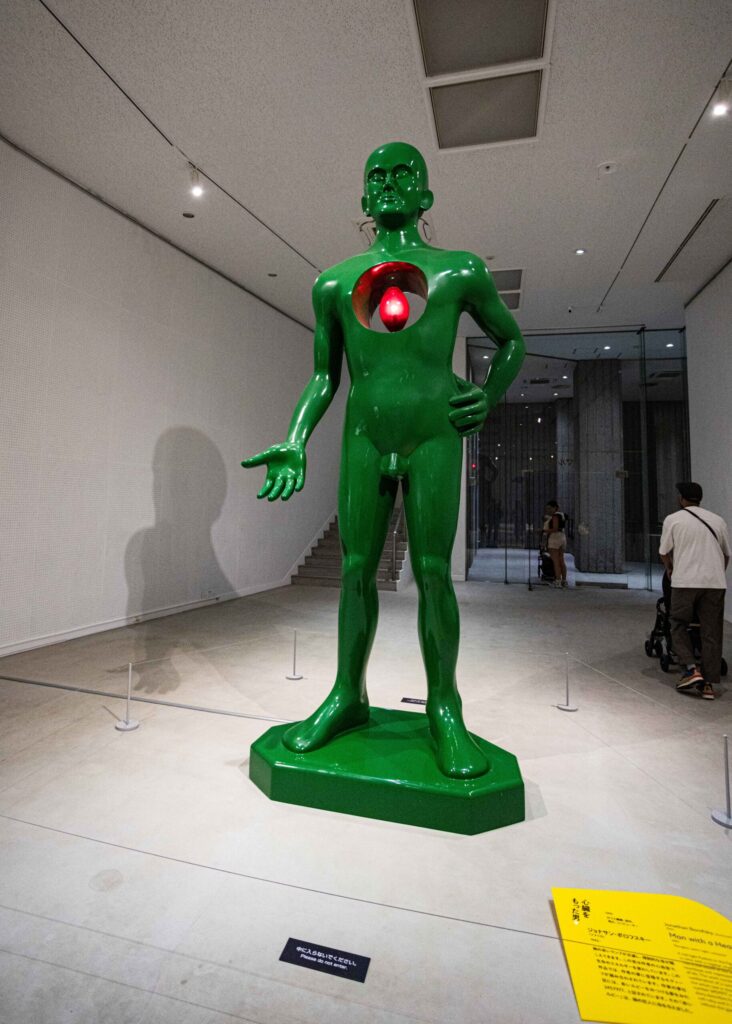
Hakone-Gora ByakudanThe walk downSay hello to my little friend, a Joro spiderArriving in HakoneThe Hakone Open Air MuseumHercules the Archer by Emile-Antoine BourdelleThe Weeper by François-Xavier Lalanne and Claude Lalannemy sky hole 79 peephole on the sky and my sky hole 84 HAKONE by Bukichi InoueA beautiful crossingWoods of NetInside Behind Woods of NetBehind Woods of NetWalking Flower by Fernand Léger outside the Picasso PavilionInside Symphonic Sculpture by Gabriel LoireInside Symphonic SculptureView from Symphonic SculptureClose III by Antony GormleyFried EggsIntersecting Space Construction by Ryoji GotoInside the Art HallAtmos by Tony CraggMan with a Heart by Jonathan Borofsky
Located in the caldera of Mount Hakone, Lake Ashi (also known as Lake Ashinoko and Hakone Lake) is part of Japan’s Fuji-Hakone-Izu National Park. This area is mountainous and has hot springs so is a popular place to visit for both locals and international travelers. Inside Japan was did us a solid and arranged for locally born Kotoyo Okugawa, or Koko to be our guide.
There is a surprising amount of methods to move around this rugged area beyond autos. Ferries, buses, trains and ropeways (aerial lift) make movement quite smooth. On top of that you can purchase the Hakone Freepass giving you easy access to all these transportation methods on one ticket. With Koko’s expert experience we moved around this mountainous area with ease.
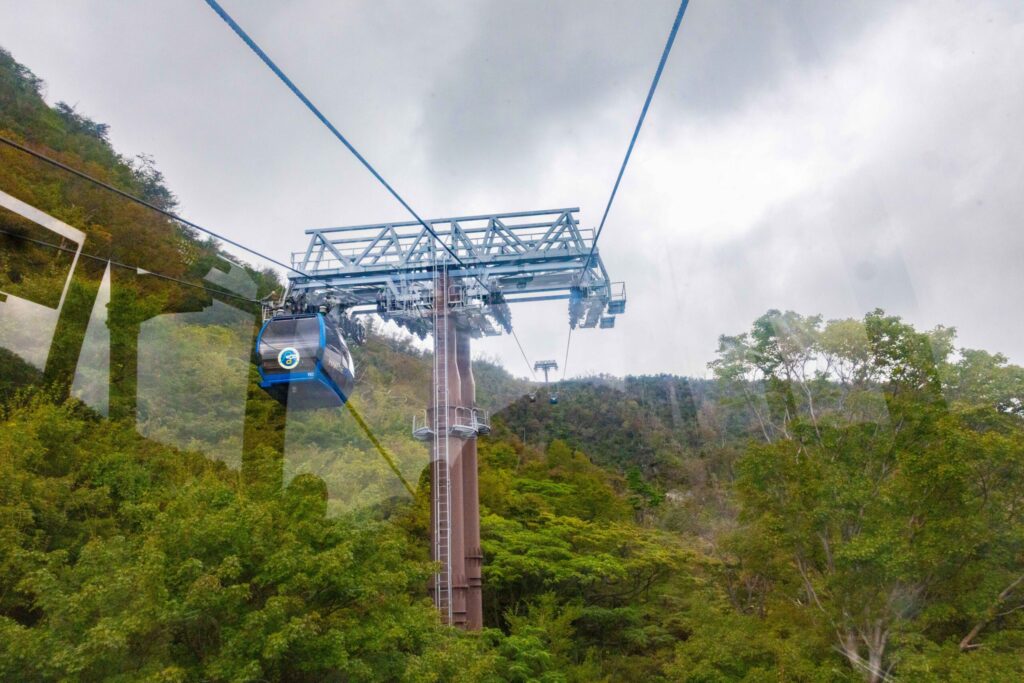
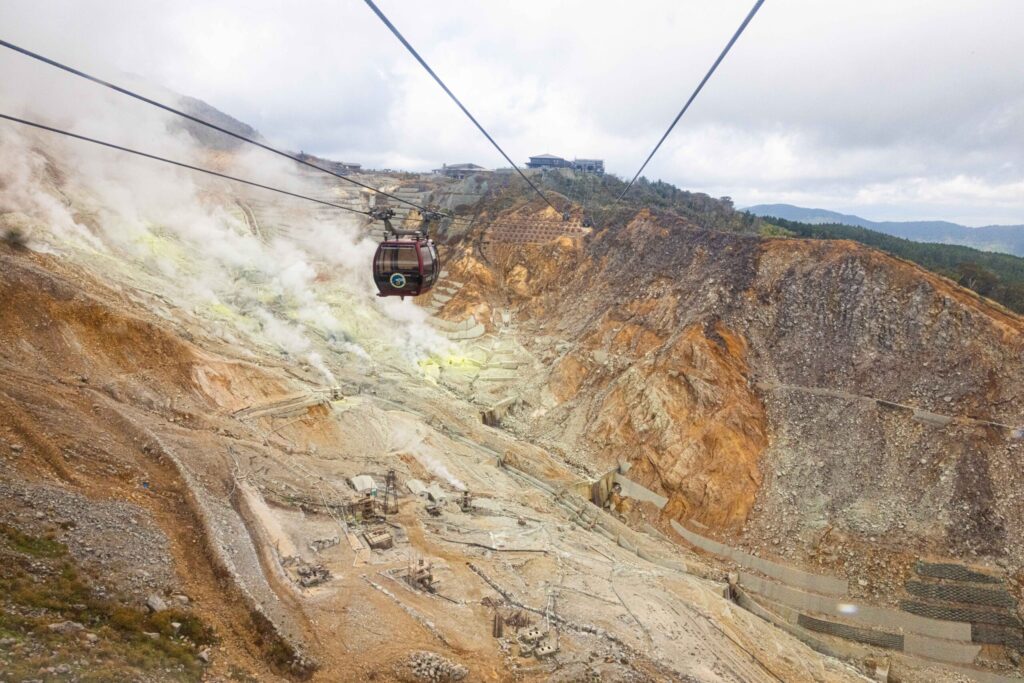
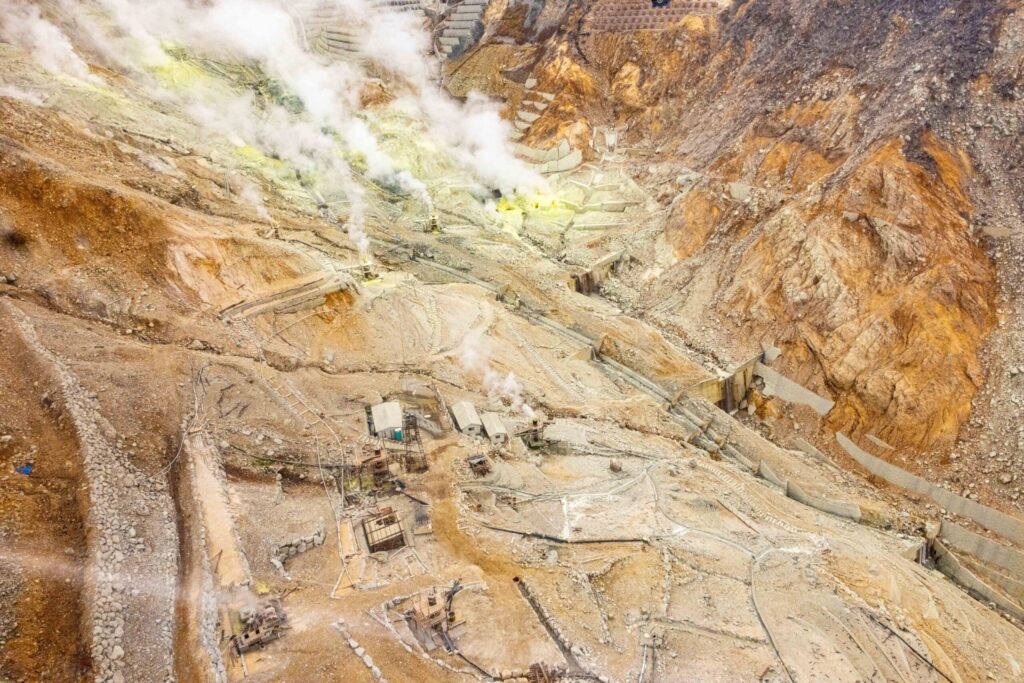
Our first ride was on the Hakone Ropeway, first to Ōwakudani, volcanic valley with active sulphur vents and hot springs, then on to Tōgendai Station located on the shores of Lake Ashi. The elevation rise on the ropeway is about 1000 feet and is dramatic, especially when you crest the mountain and cross the volcanic Ōwakudani valley. Formed around 3000 years ago, this valley is quite active and has the aromas to go with it.
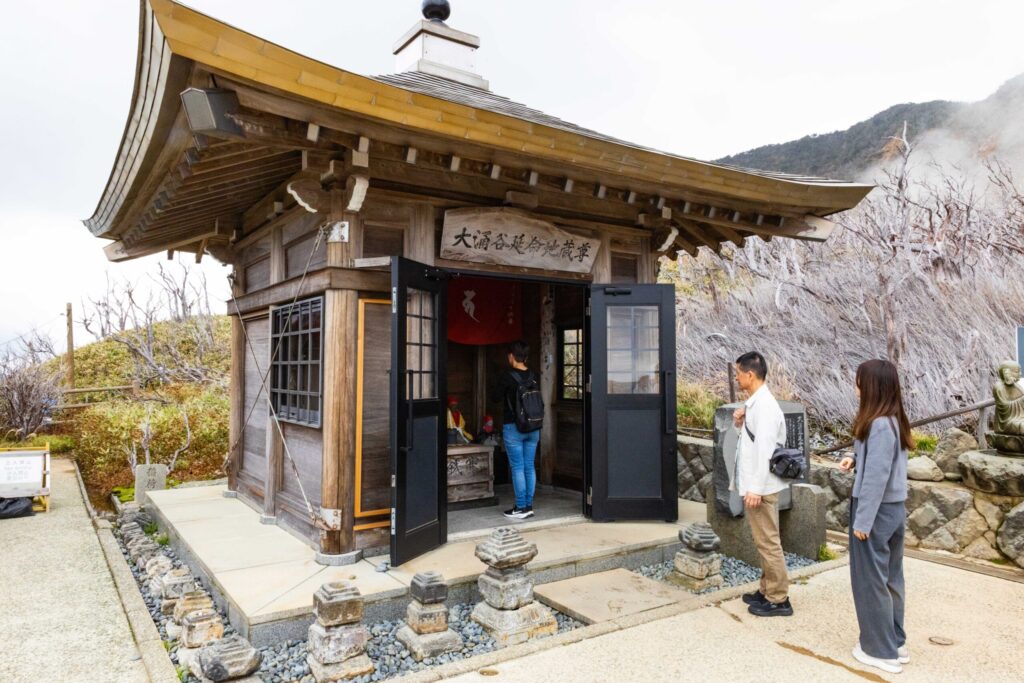
Riding the Hakone Ropeway up Mount Hakone.Crossing Owakudani valley in the Hakone RopewayLooking down into Owakudani Valley. The area is aromatic.Enmei Jizo Bosatsu Buddhist temple at Owakudani
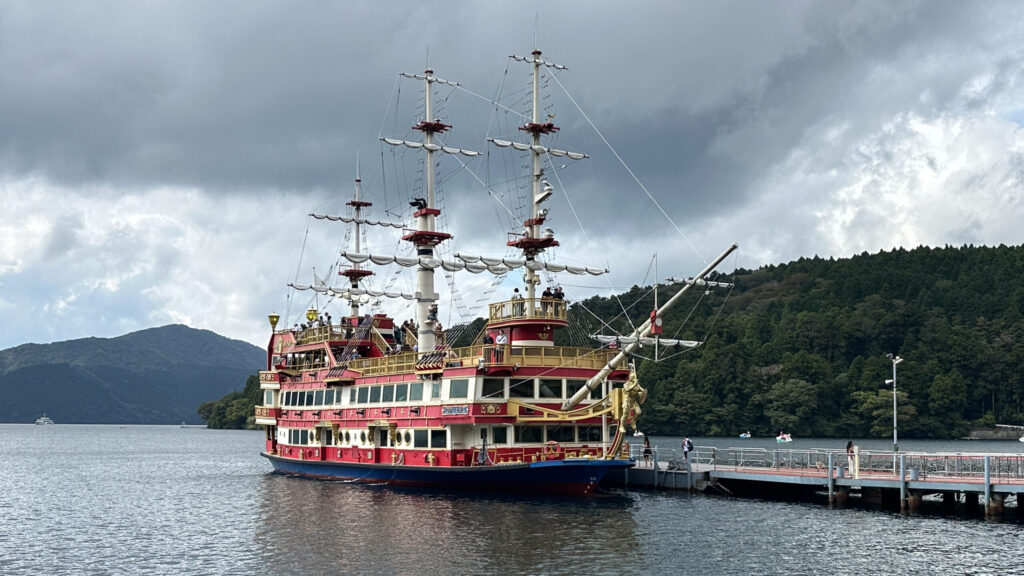
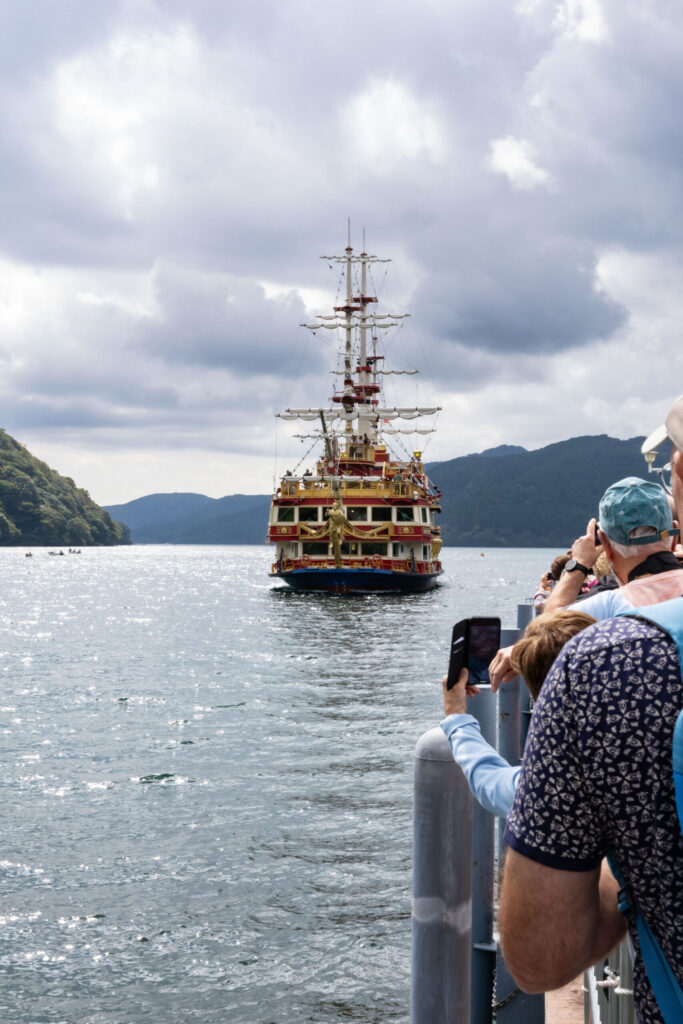
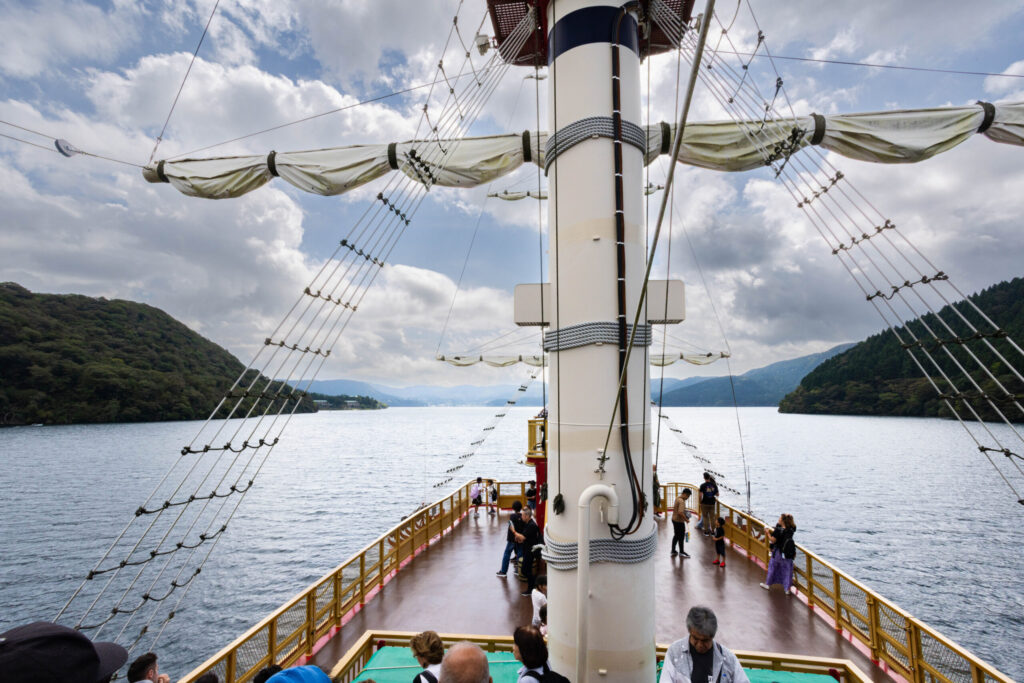
After descending to Tōgendai Station we boarded a pirate ship to cross the lake. There is not a history of pirates on this lake, with the 1964 Summer Olympics coming to Tokyo a local entrepreneur decided to open a sightseeing boat on the lake and, inspired by Disney decided it make it a pirate ship. This inspired competition which brought lawsuits… You get the idea. These boats also serve as ferries moving, a novel scenic experience.
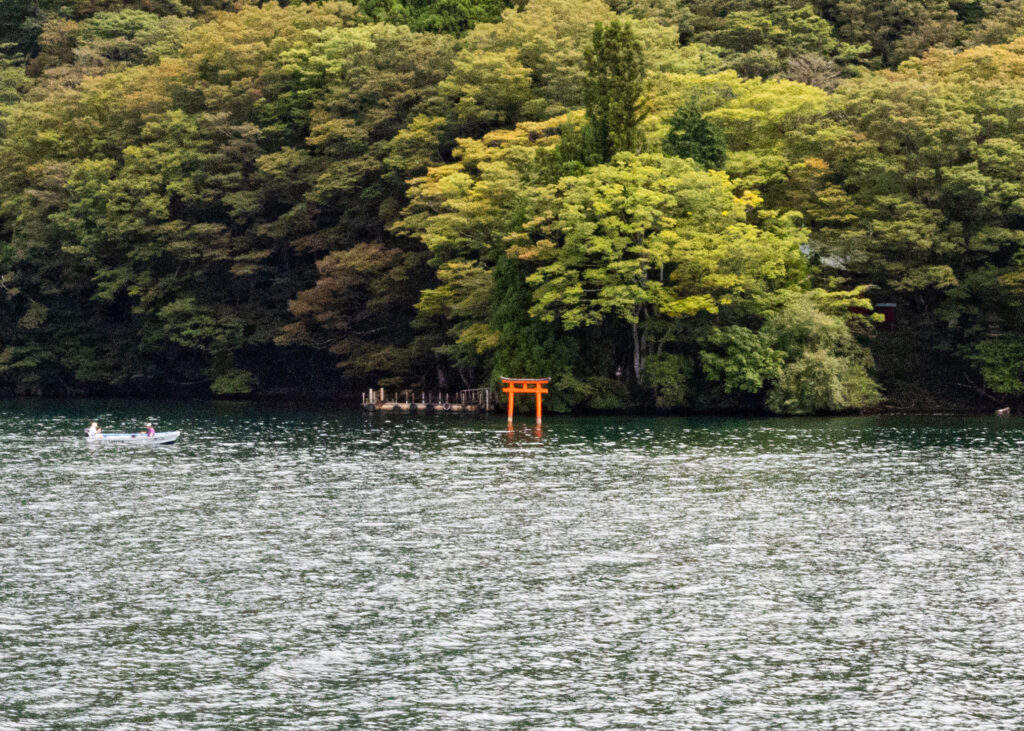
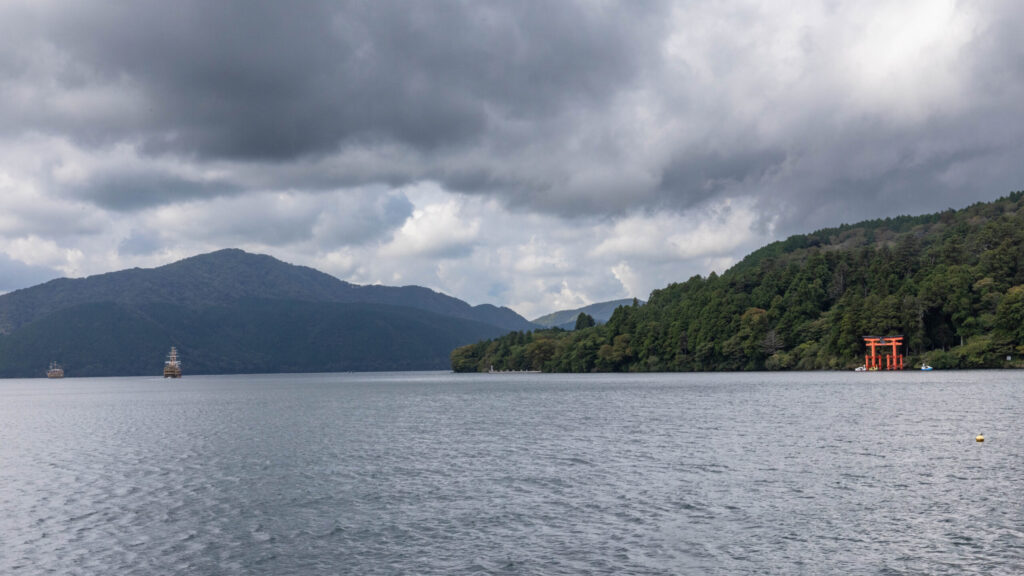
One of the pirate ships (really ferry/sightseeing boat) on Lake Ashi.Our (Pirate) ship arrivingCrossing Lake Ashi to Hakone Village on the south shore.Torii Gate on Lake Ashi
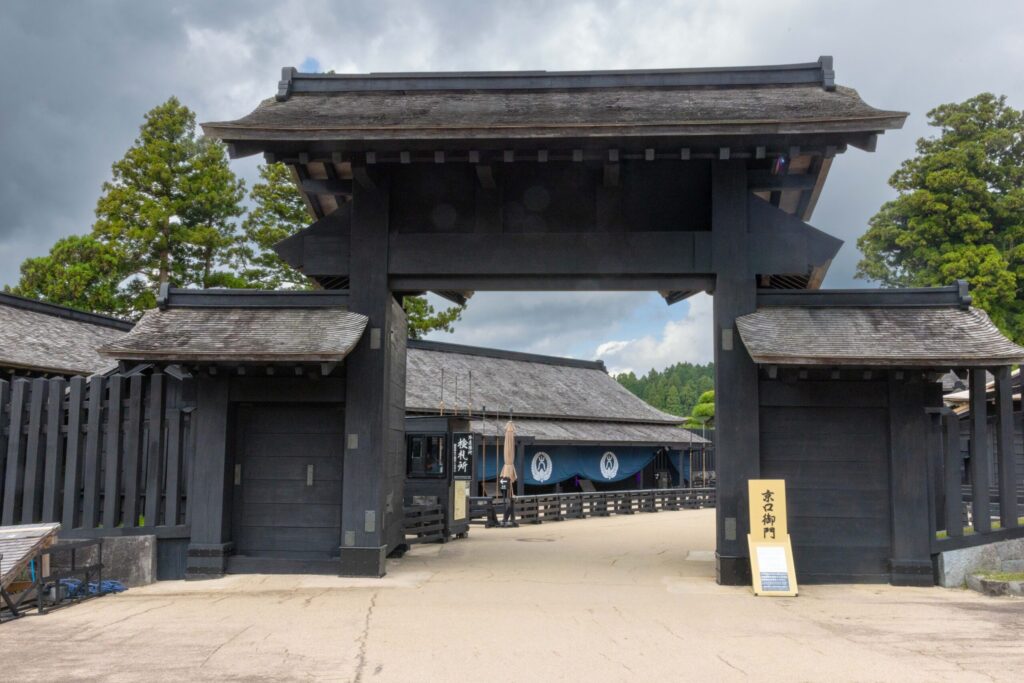
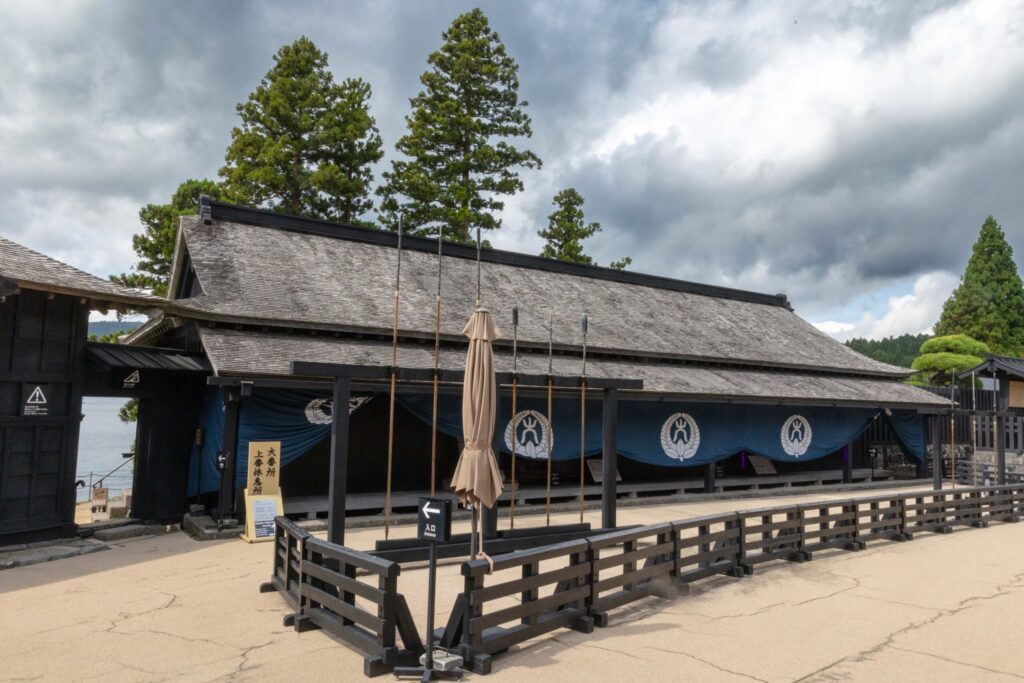
A little shopping happened then we took a stroll near the lake first to Hakone Checkpoint then through a cedar avenue to Motohakone village. In the feudal Edo Period Tōkaidō road was a main road from Kyoto, then Japan’s capital to Edo, now known as Tokyo. The Hakone Checkpoint (or Barrier) was a traffic checkpoint along this road where people were vetted for access, especially woman. This not only kept people out but trapped others in, a policy to control the feudal lords by keeping their families in Edo as hostages. There is also a long fence restricting passage, penalty for evading the checkpoint was death, mostly by crucifixion Japanese style. Koko did fill us in on what this entails, I will spare you the details.
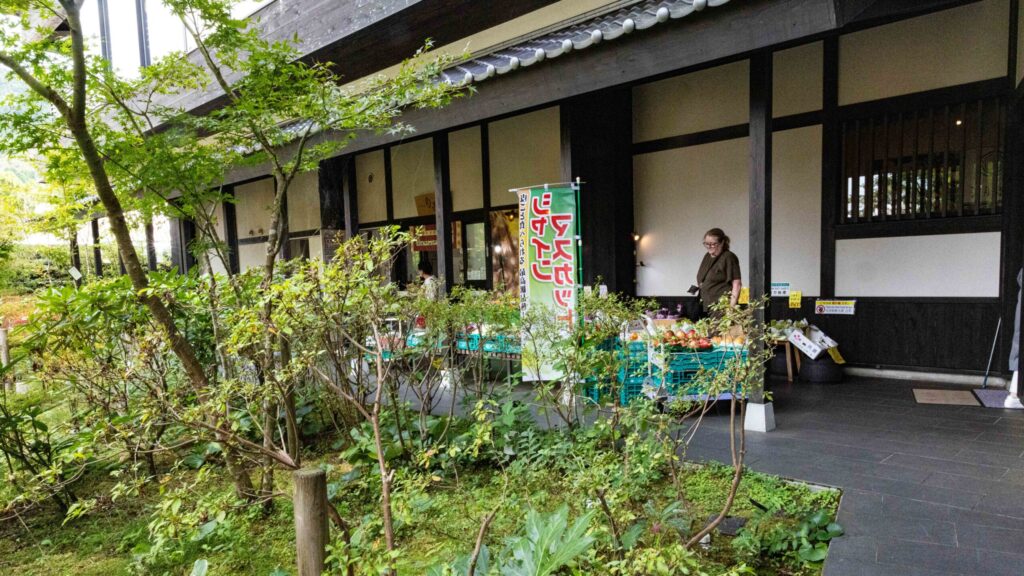
Checking out a Sunday produce marketHakone Barrier or GateReproductions of poles used in crucifixions in front of the Hakone Gate Museum.
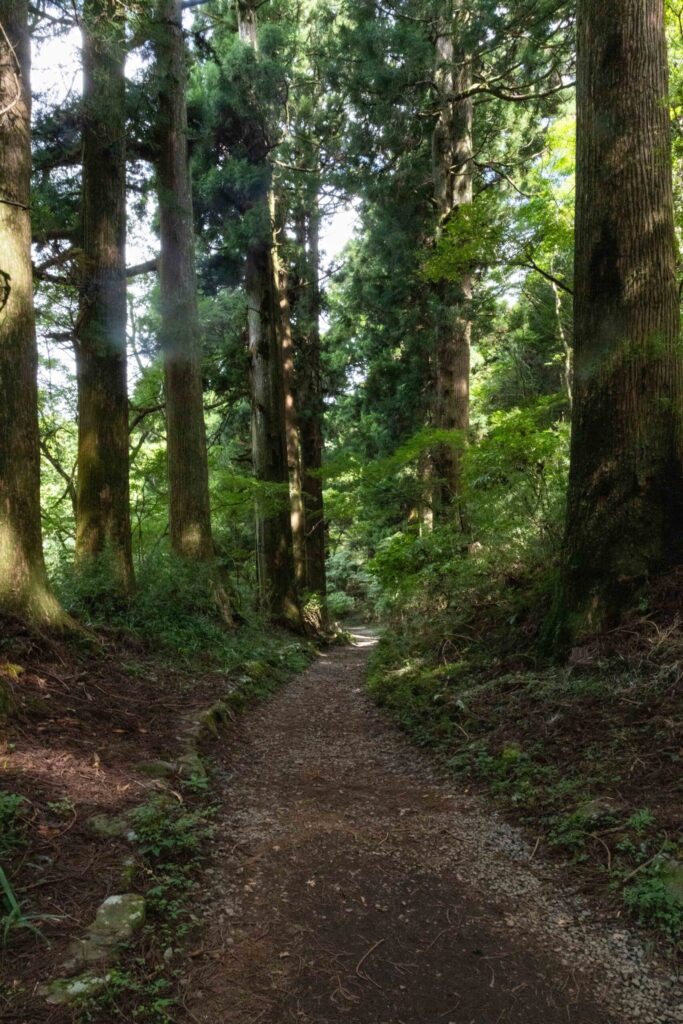
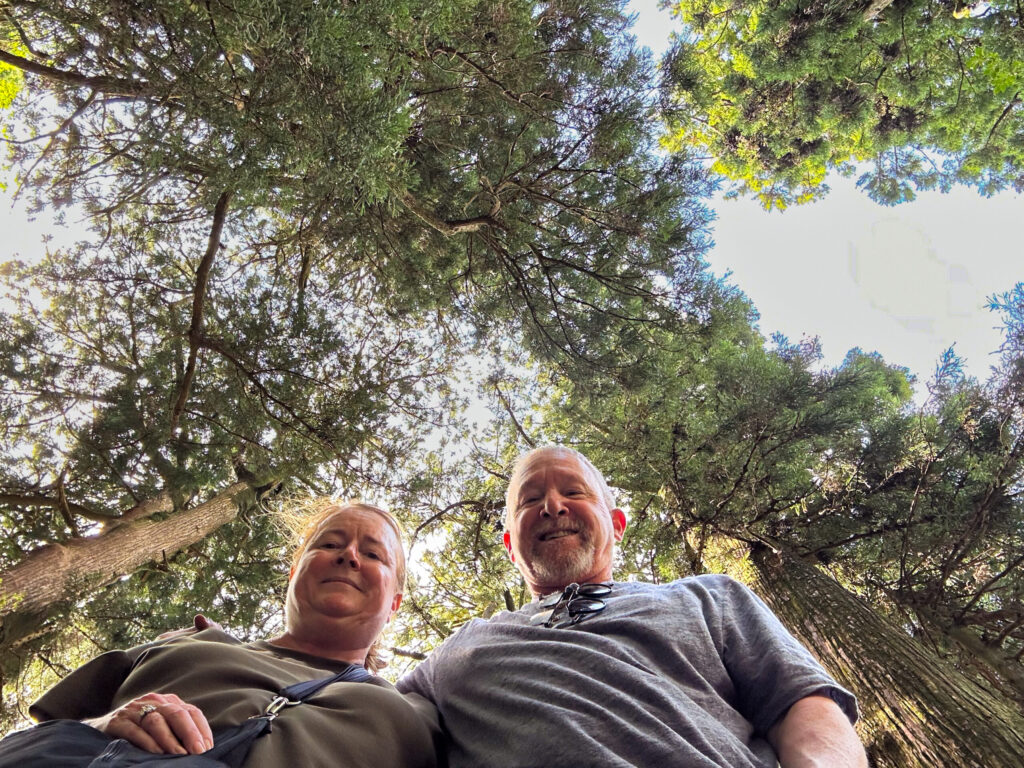
Connecting the Hakone Checkpoint to Motohakone village was a scenic avenue of native cedar trees. During the walk Koko informed us of a surprising fact, a good portion of Japanese natives are alergic to Japanese cedar pollen. Known as Japanese Cedar Pollinosis, Koko is one of the sufferers of what is apparently a growing issue in this country.
Hakone Shrine on Lake Ashi. Mount Fuji would be visible in this picture on a clear day. One of the nicknames for Mt. Fuji is “The Shy Mountain” because it is often obscured by clouds.The Cedar Avenue walkKoko snapped this pic on the Cedar Avenue walk.
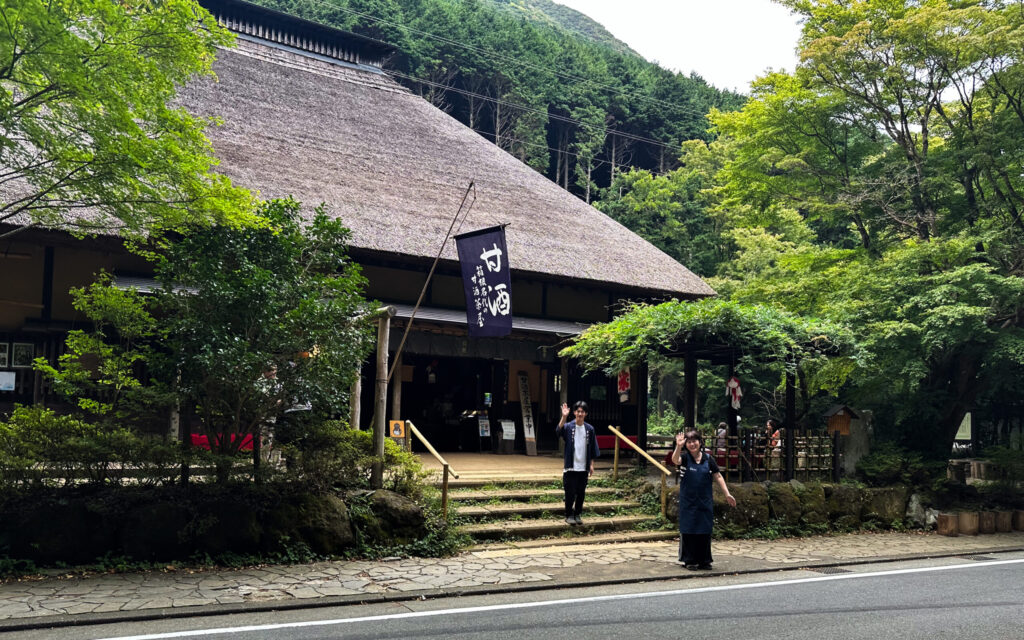
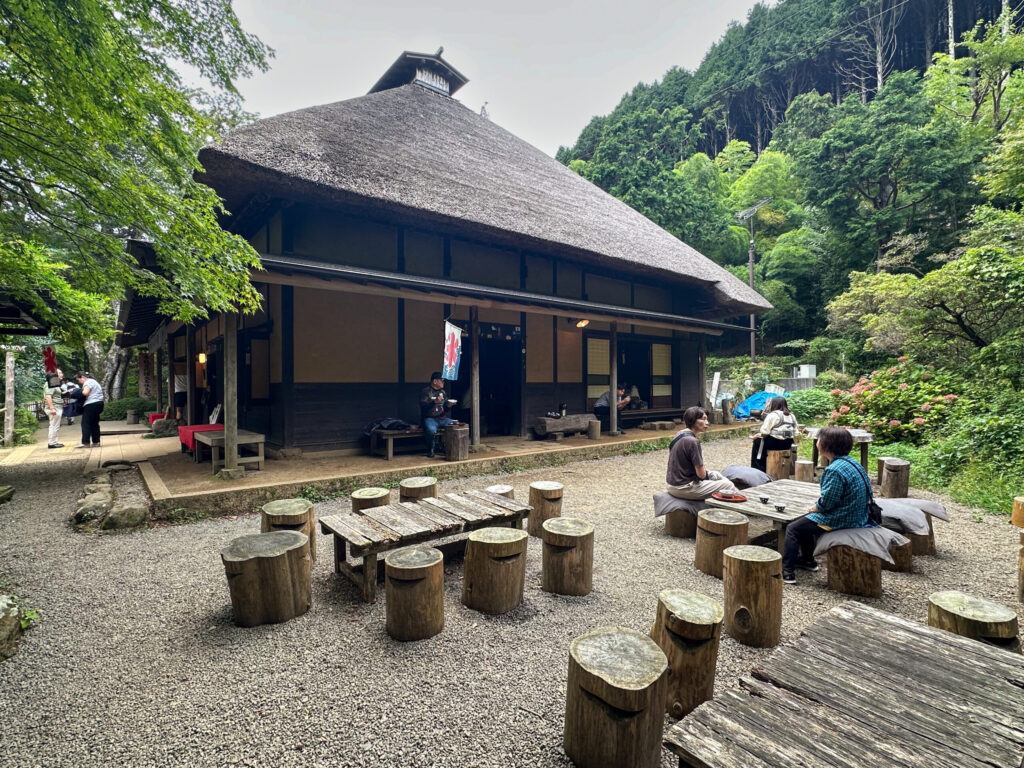
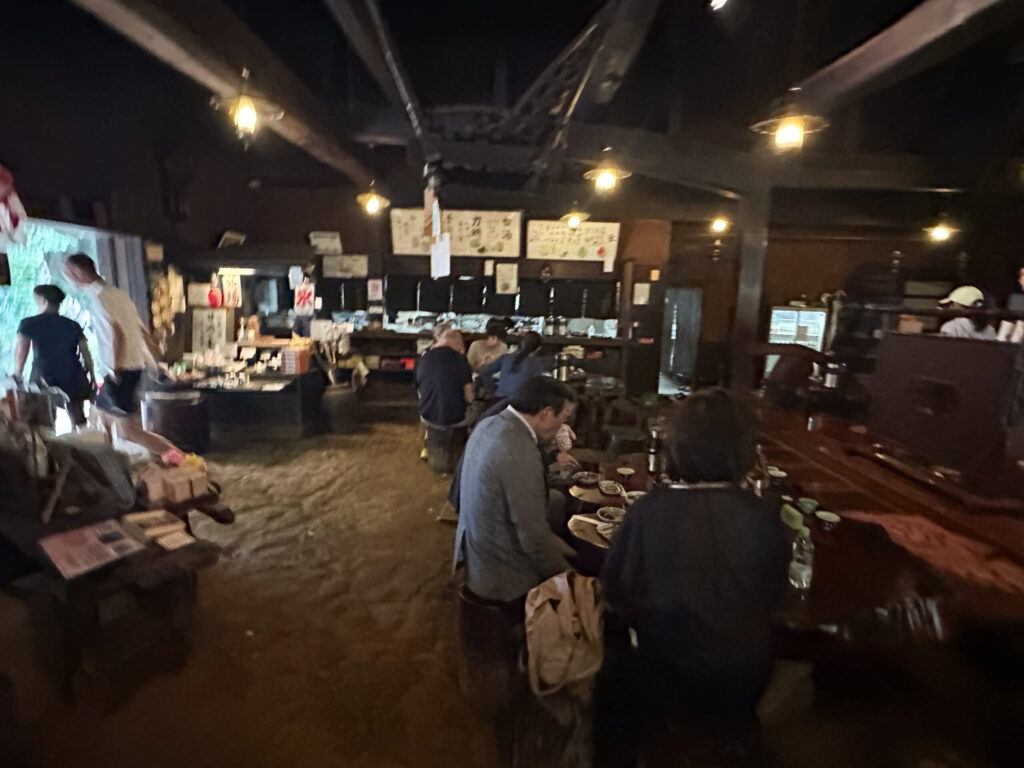
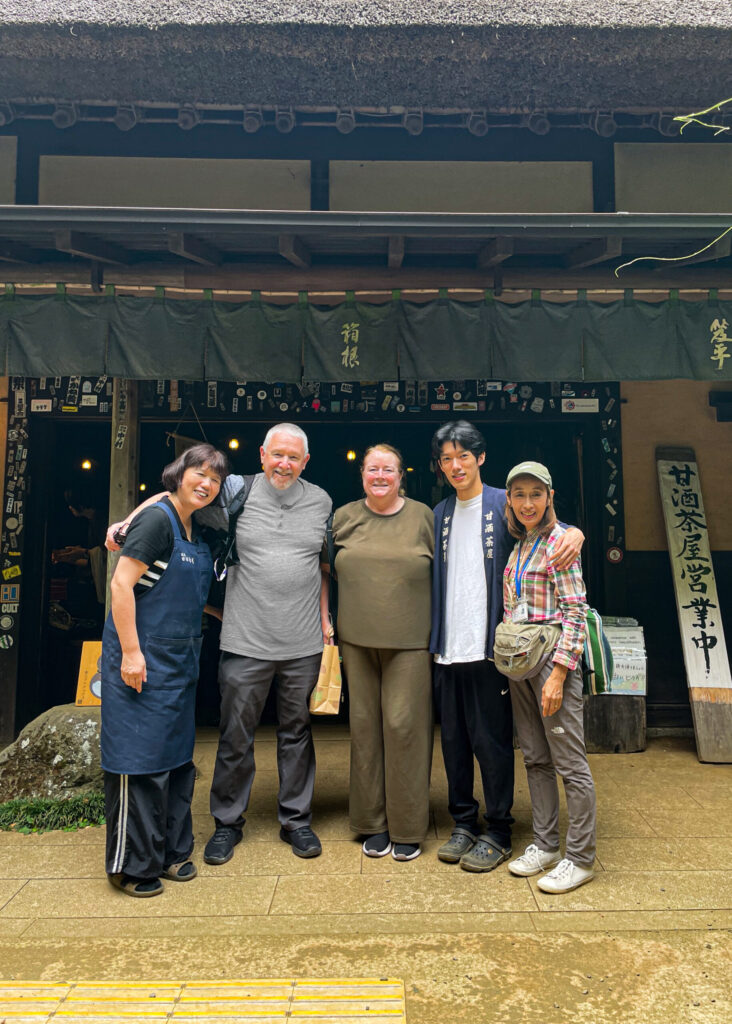
We have dined well in Japan and decided on Soba Noodles for lunch at Shinshō Soba in Motohakone village and it did not disappoint. Our last stop of the day was at Hakone Amazake Tea House, a classic mountain tea house on the old Tōkaidō road in a traditional setting. This stop was a nice break on this busy day and, as it turns out, this is establishment is run by Koko’s family. Her father grew up here and her sister Shoko and nephew Nori were working, We had a nice visit with them and I actually wish we had a chance to linger here a bit longer, it is a relaxing place to be. If you get a chance to stop by, we recommend it.
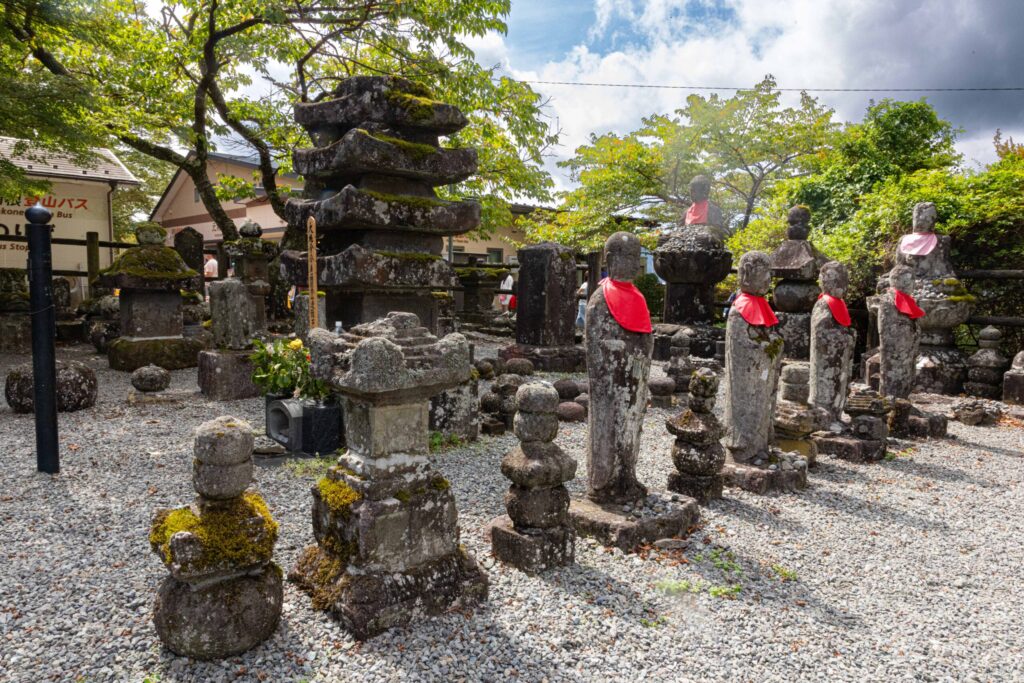
A cemetery in Motohakone village. The small monuments are for children, the large one is honoring people who drowned in Lake Ashi. Exterior seating at Hakone Amazake TeahouseInside Hakone Amazake TeahouseIn front of Hakone Amazake Teahouse, run by Koko’s family. From left to right: Shoko, Tom, Kim, Nori, Koko. Thank you to all for your kind hopitality.
On the subject of recomendations Koko (Kotoyo Okugawa) was kind and great company. We learned fom each other, what else do you need in life. Thank you Koko for you guidance and friendship, we hope to see you again soon.