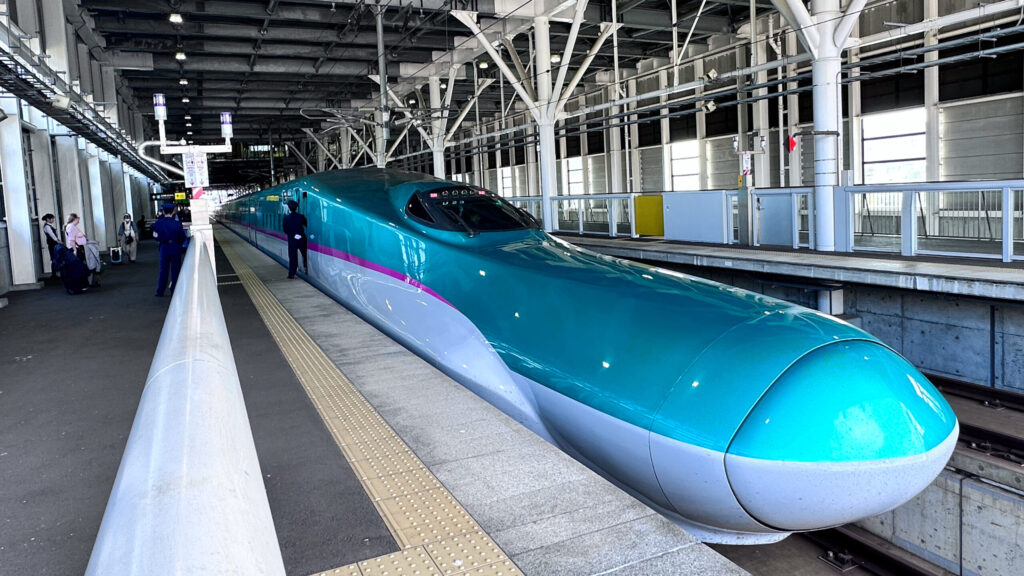
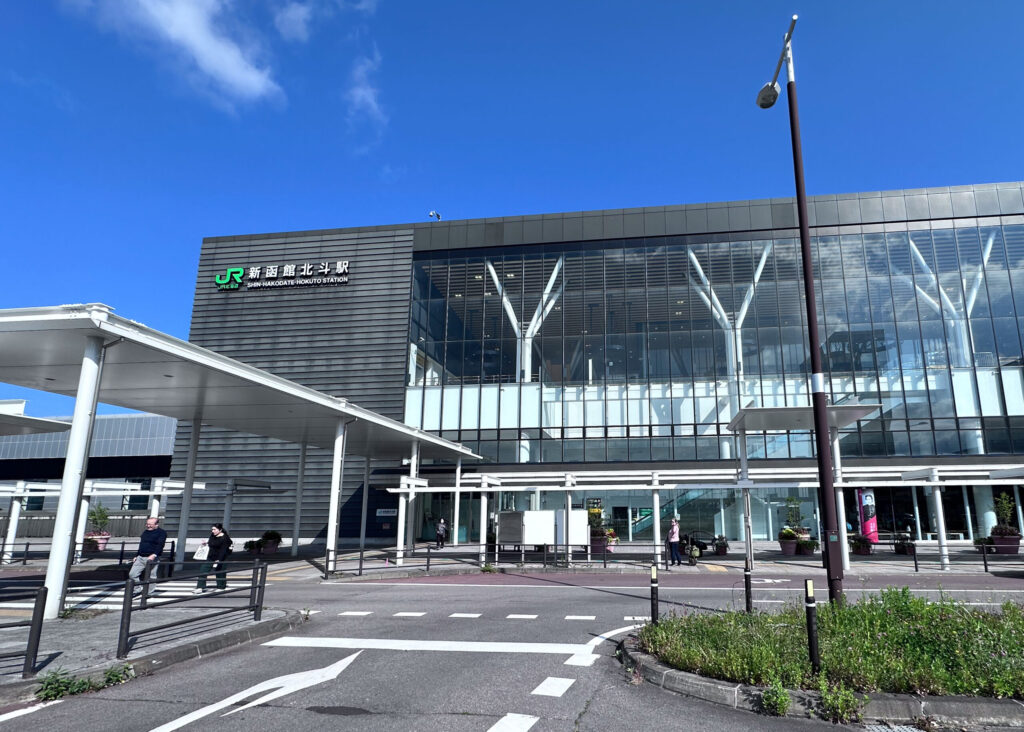
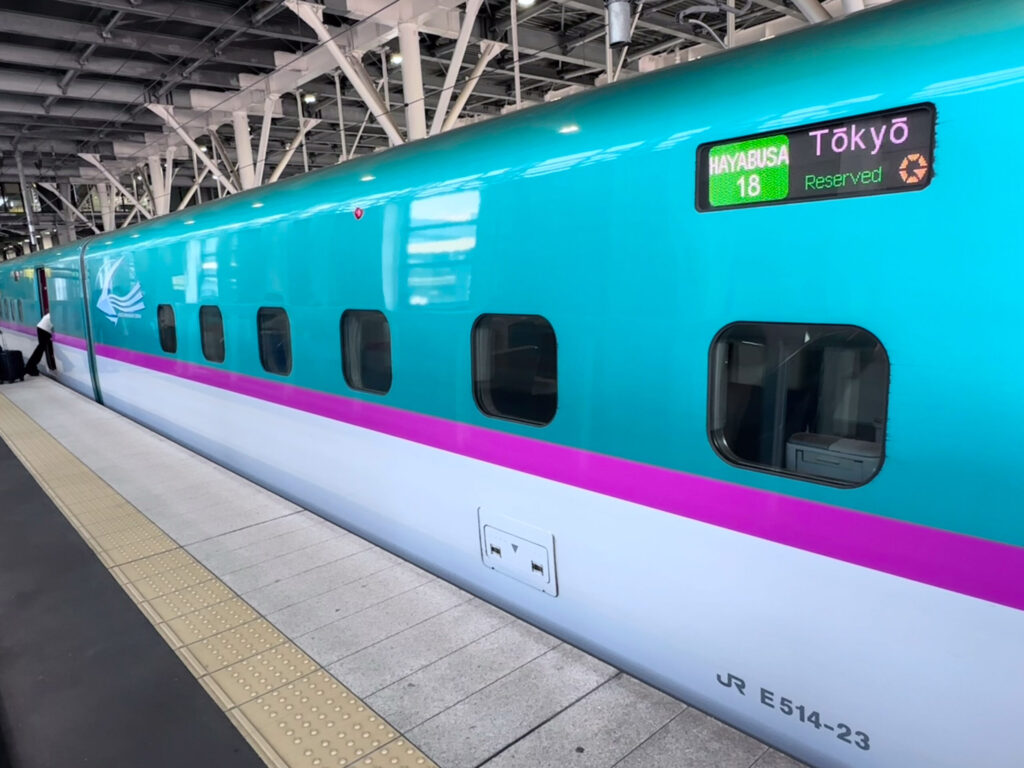
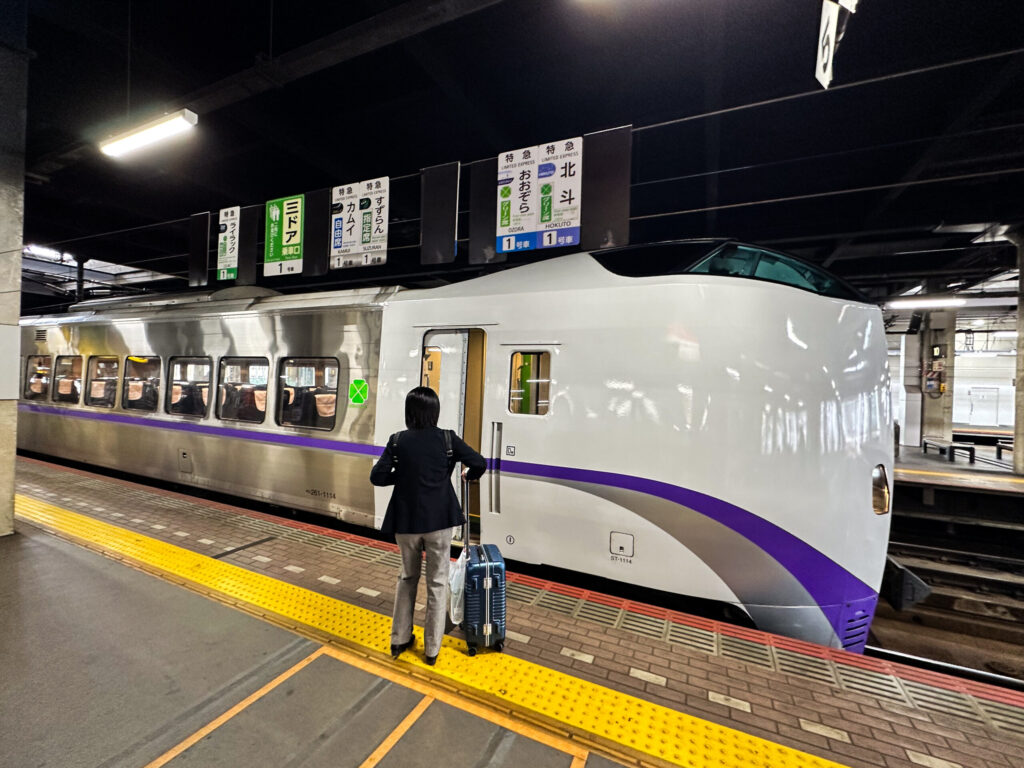
Time to return to Tokyo to rendezvous with Sydney and Leo. We traveled on the fastest of the Shinkansen trains, the Hayabusa (Peregrine falcon) from Shin-Hakodate-Hokuto to Tokyo Station. Total travel time was a little 4 hours leaving us in the center of Tokyo, which, IMHO beats travel by airplanes.
This also gave us the opportunity to travel through the Seikan Tunnel from Hokkaido across to Honshu Island which took 20 or so minutes. We had full internet the entire passage, a very surreal experience.
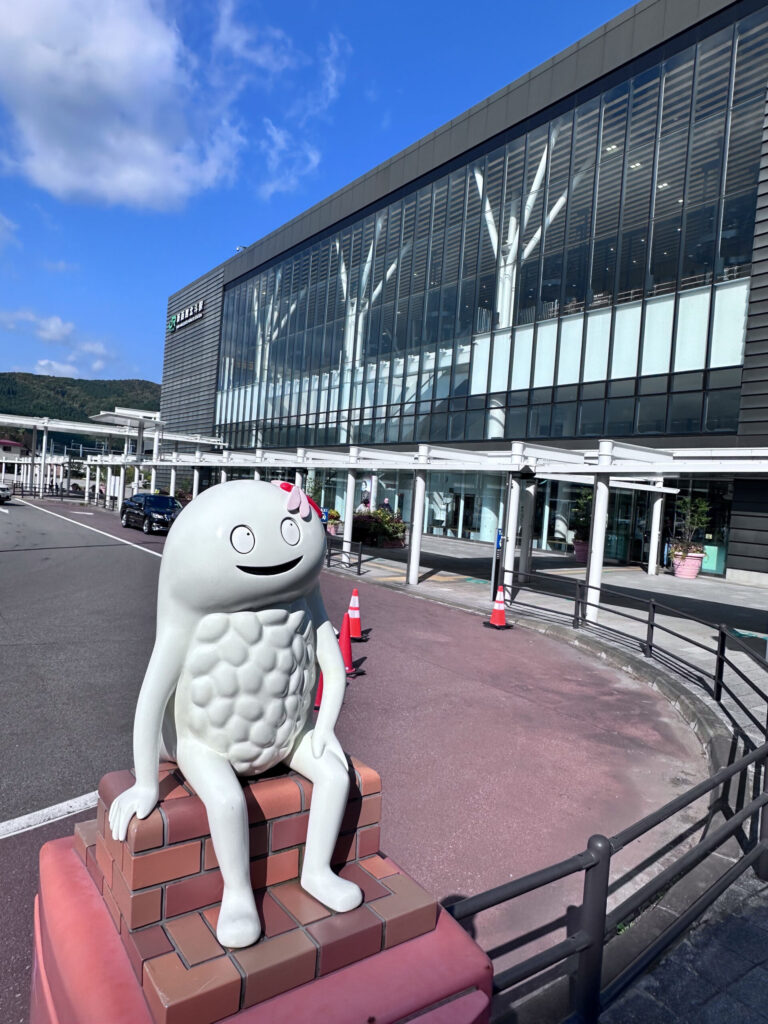
Shin-Hakodate-Hokuto Shinkansen StationBrings a little smile to facesHayabusa 18 to Tokyo StationOn the movePassing through the Seikan Tunnel.Back in busy Tokyo
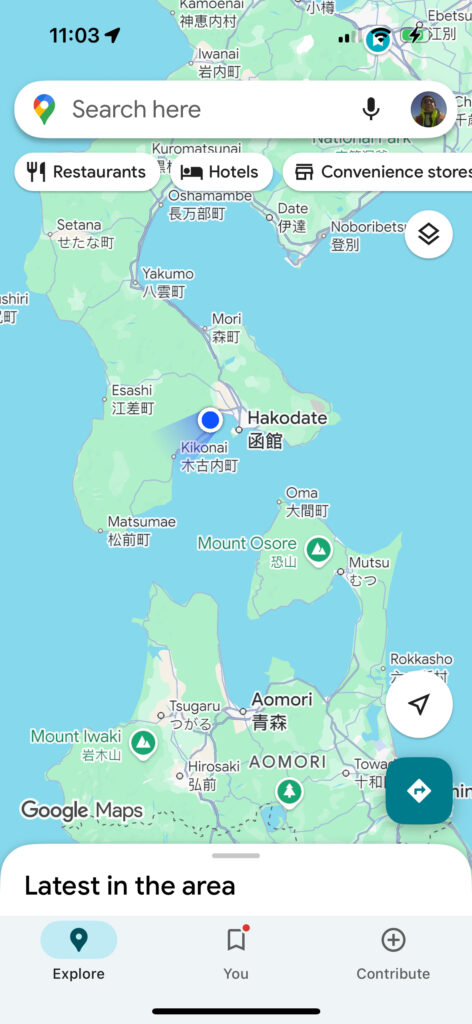
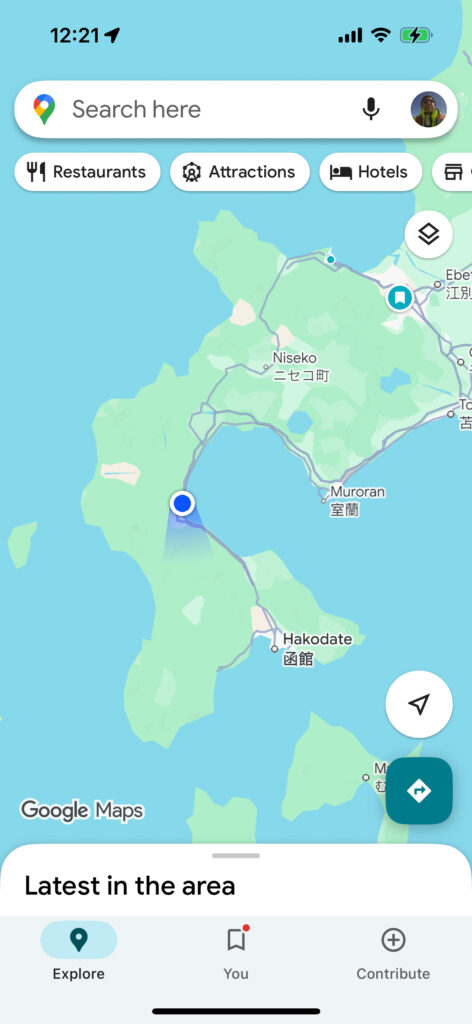
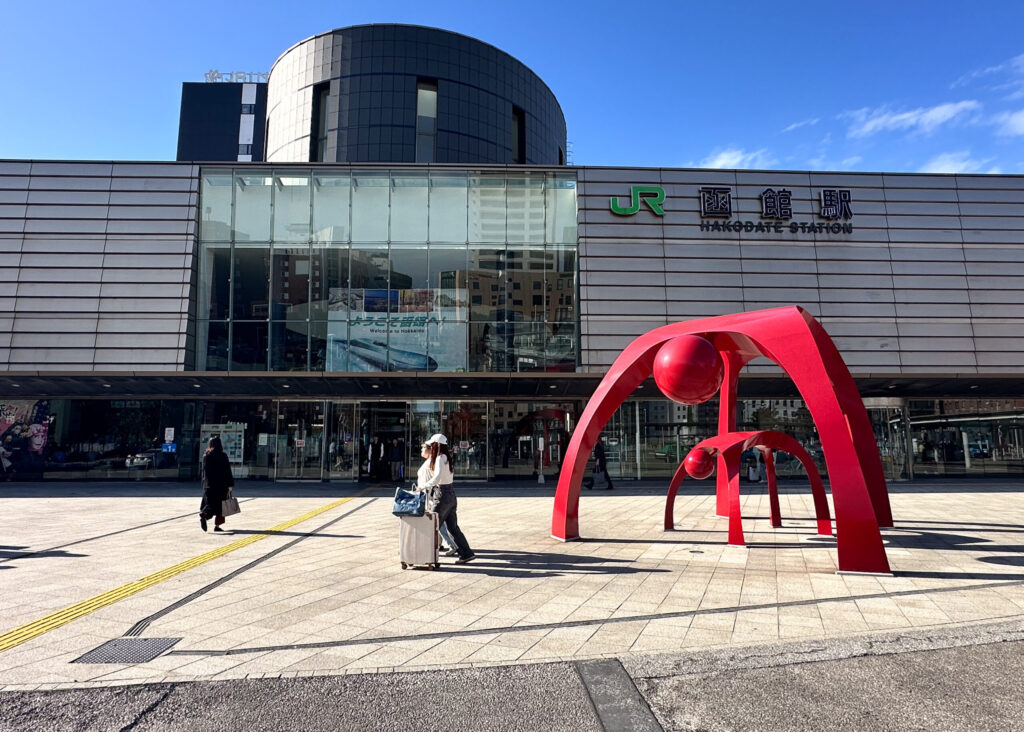
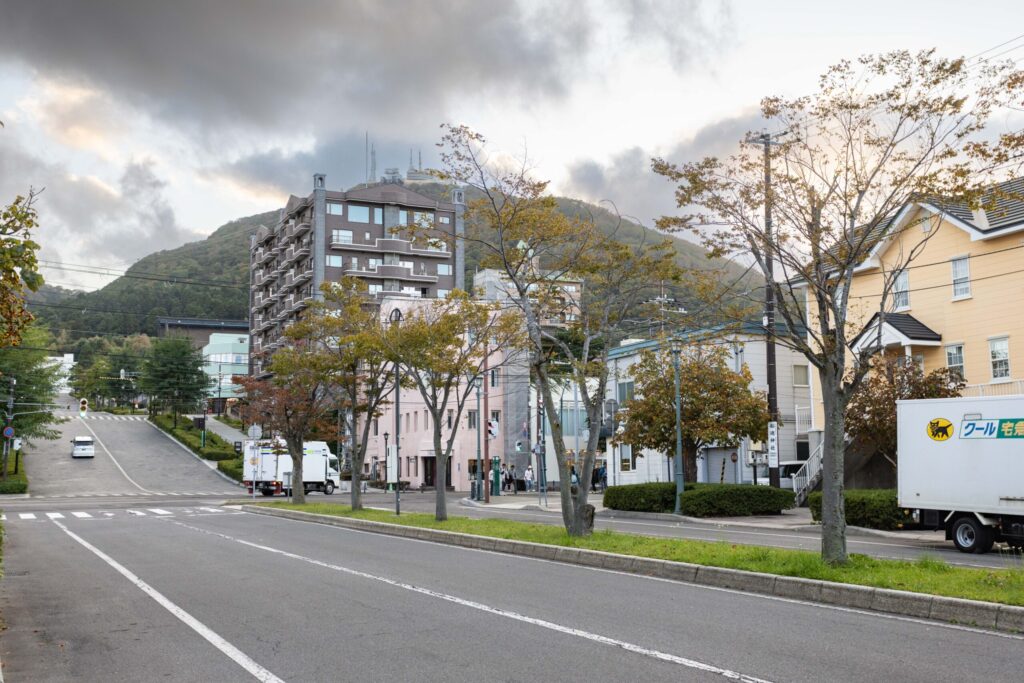
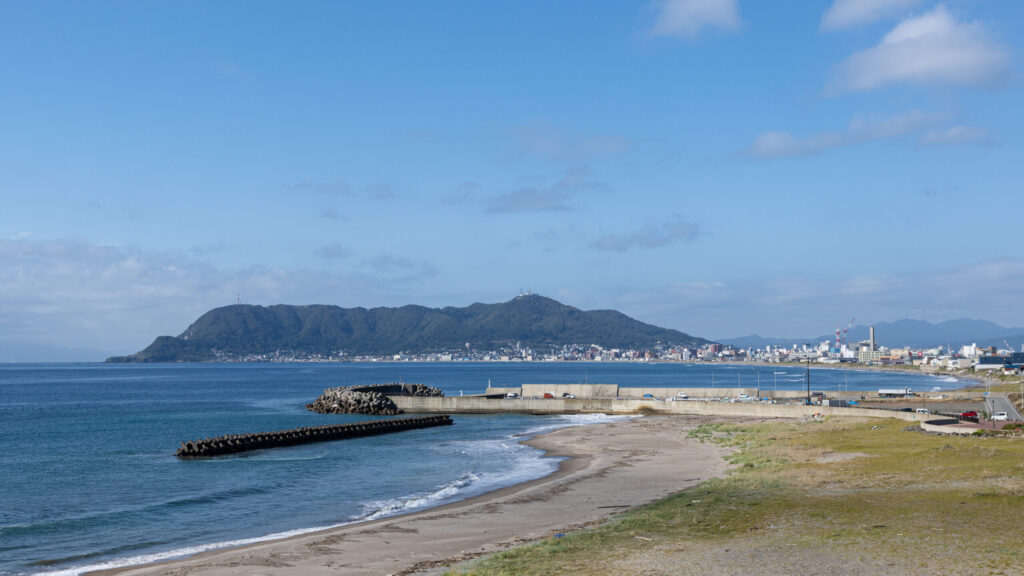
At the bottom of the Oshima Peninsula is the city of Hakodate, our next destination. We had few plans in this stop, it was time for some relaxation and a city with hotsprings, seafood and a water view sounded perfect. Unfortunately our plans in the city went from little to very little, one of our activities, a trip to the top of Mt. Hakodate we canceled due to the ropeway being closed for legal inspection. I believe this means mandatory service and inspection which makes sense with winter coming on. We could have taken a bus to the top however the thought of a 24 minute ride up a winding road vs a 7 minute gondola ride appealed to neither of us. So just a quick visit to the town the back to our ryokan for more down time.
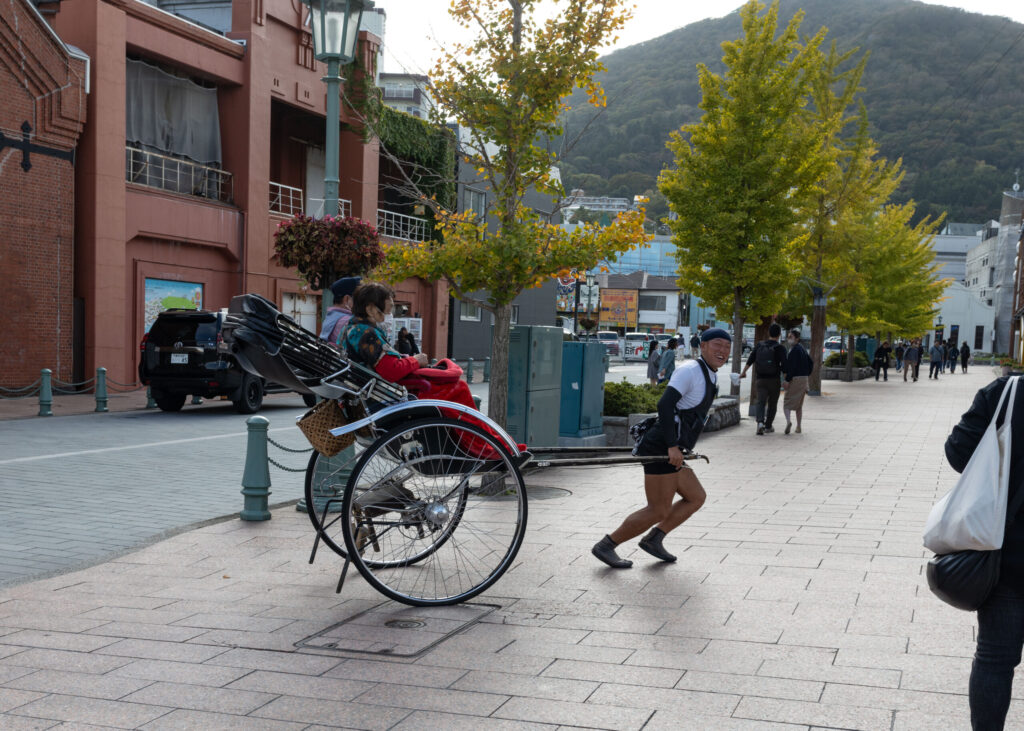
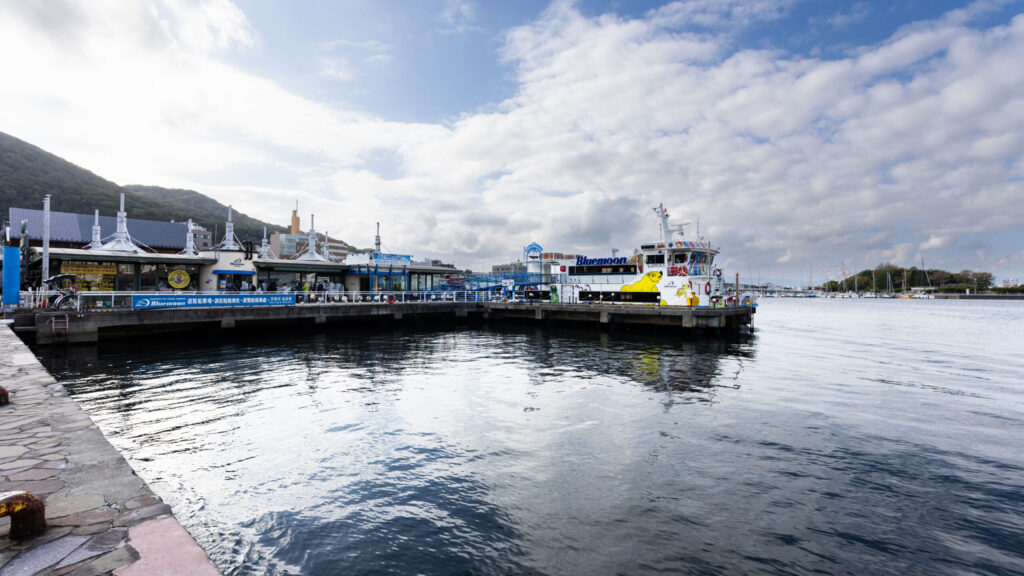
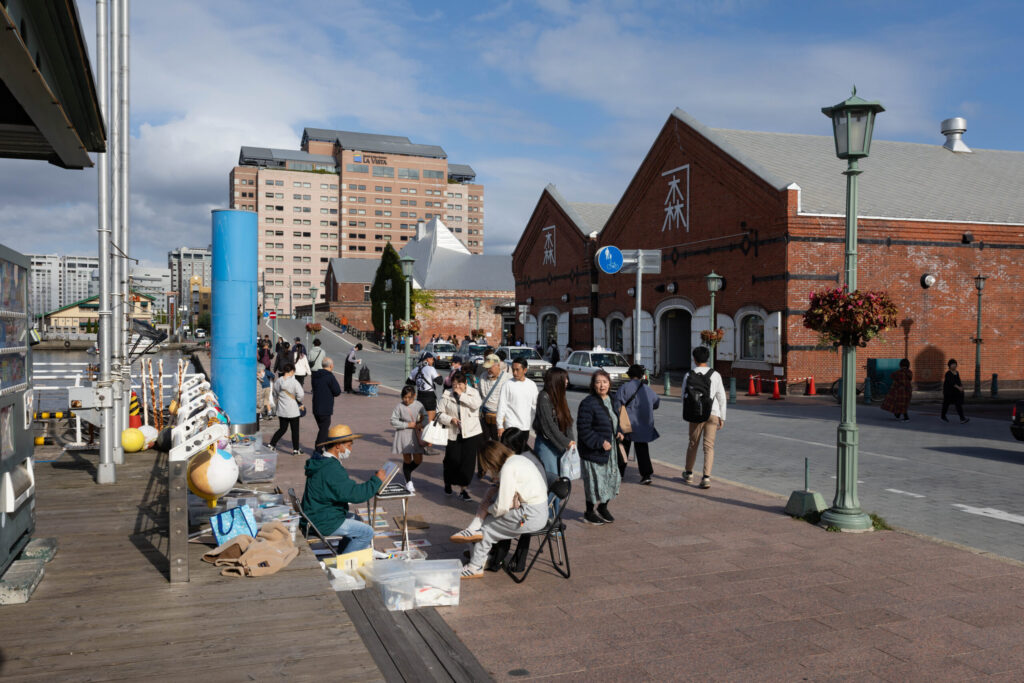
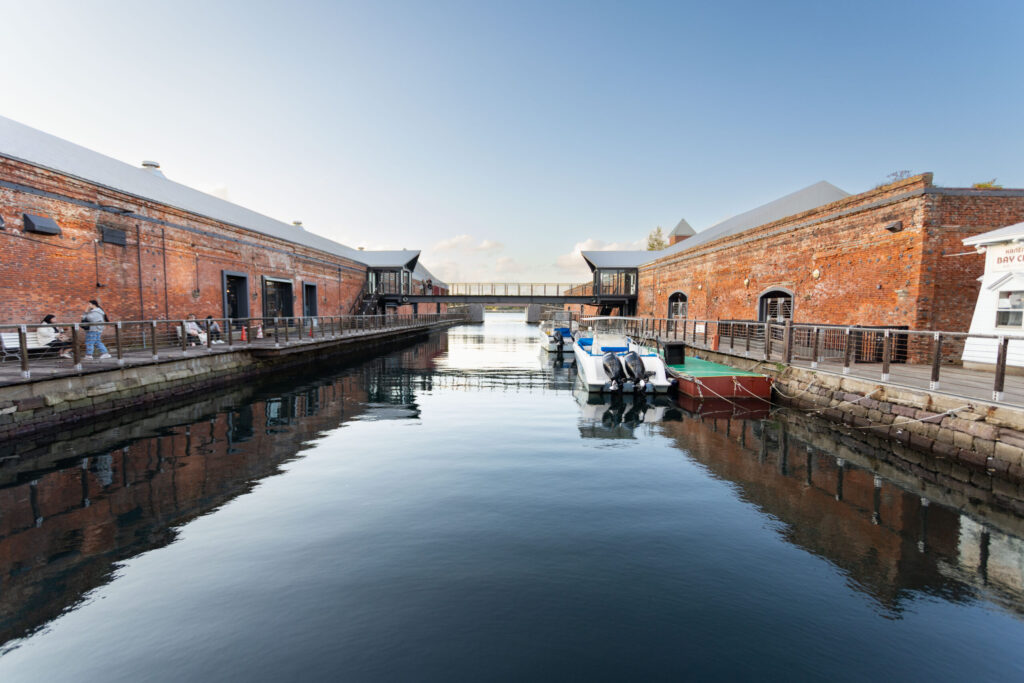
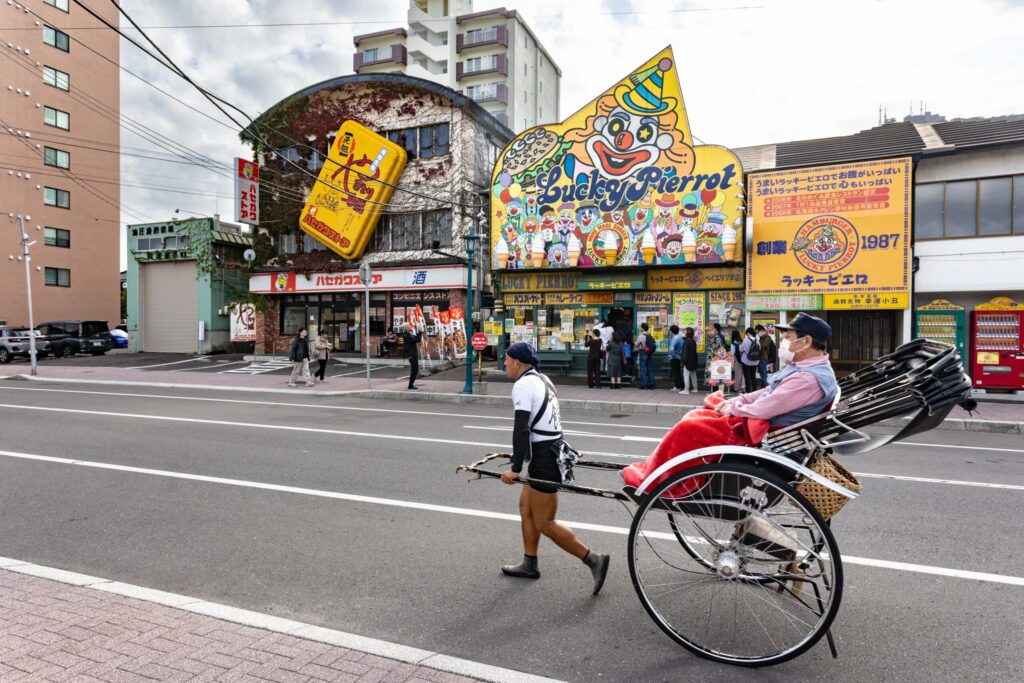
Pardon me boys, is that the Hakodate Choo Choo? (Hai, Hai)Heading southHakodate StationHakodate HarborThe missed Mount HakodateEntertaining the tourists…The Kanemori Red Brick Warehouse in HakodateLucky Pierrot, a popular local fast food chain.
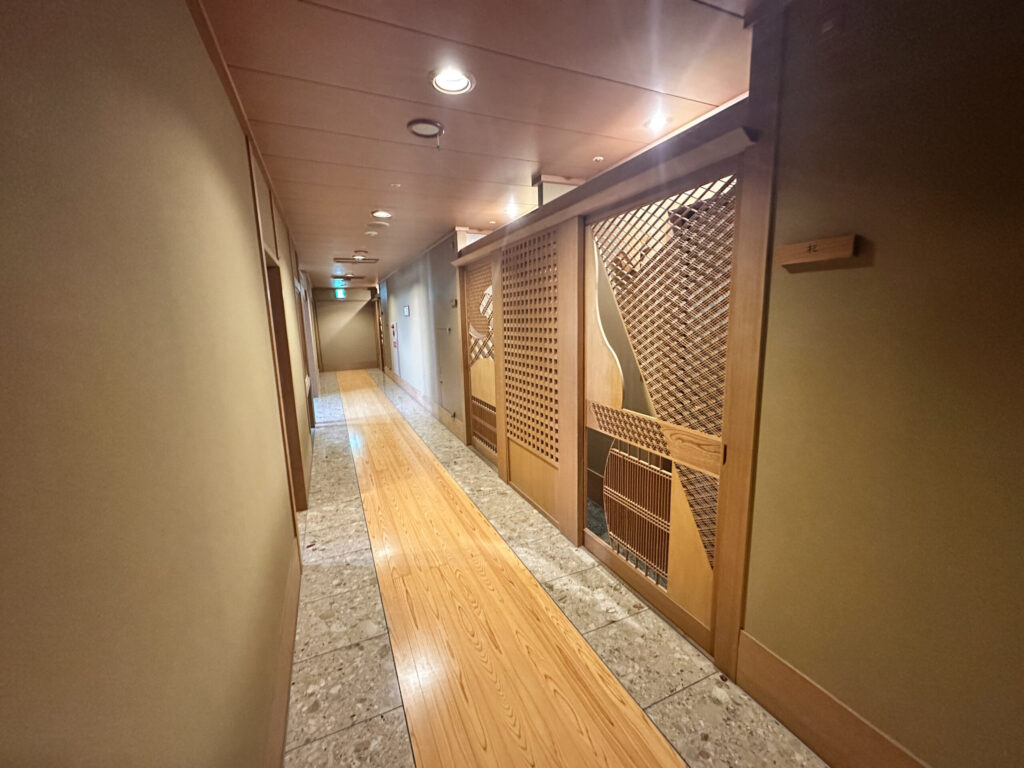
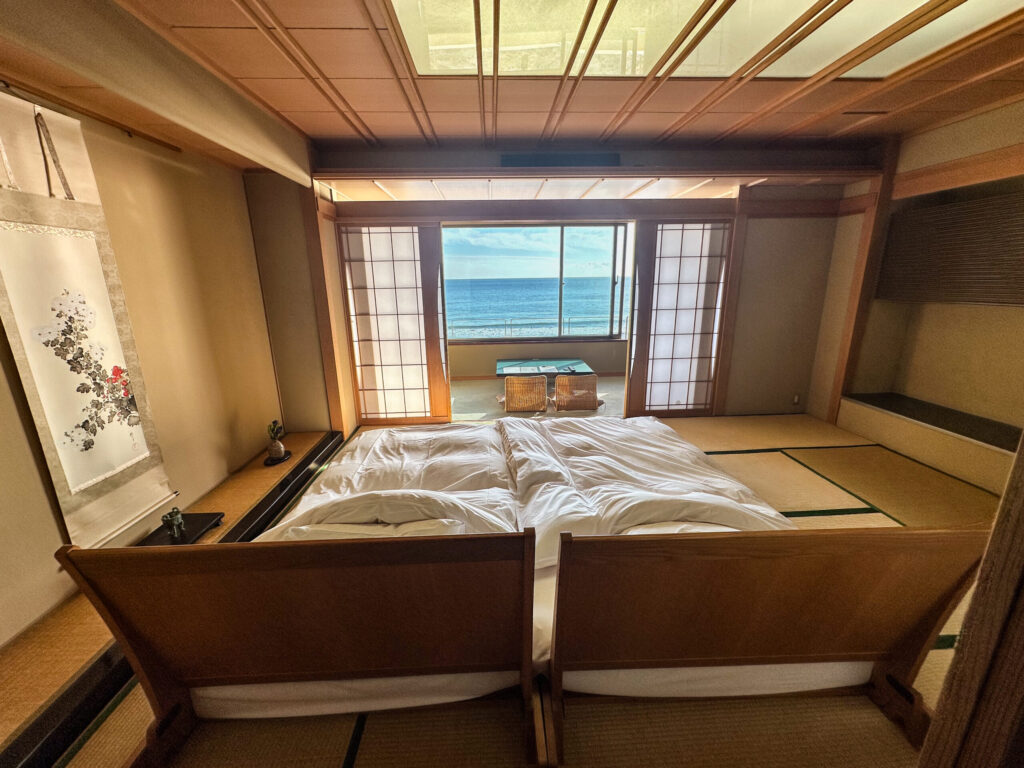
Our abode for this stay was Kappo Ryokan Wakamatsu, located about 15 minutes from central Hakodate, A traditional ryokan, we were told their motto is “An ocean view with warm hospitality” and this was an accurate description. It has a beautiful wood interior and a very attentive staff. Meals are served in a traditional setting featuring seasonal food. A nice stay.
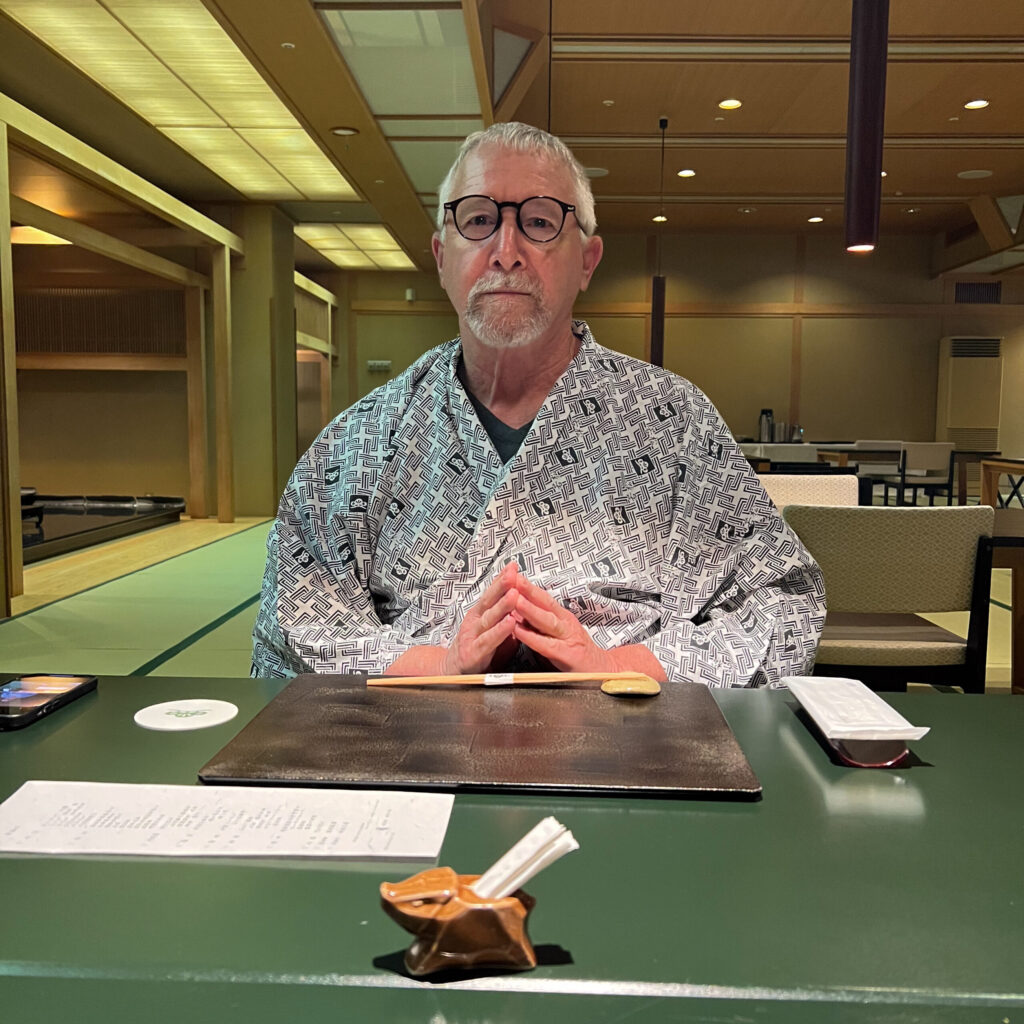
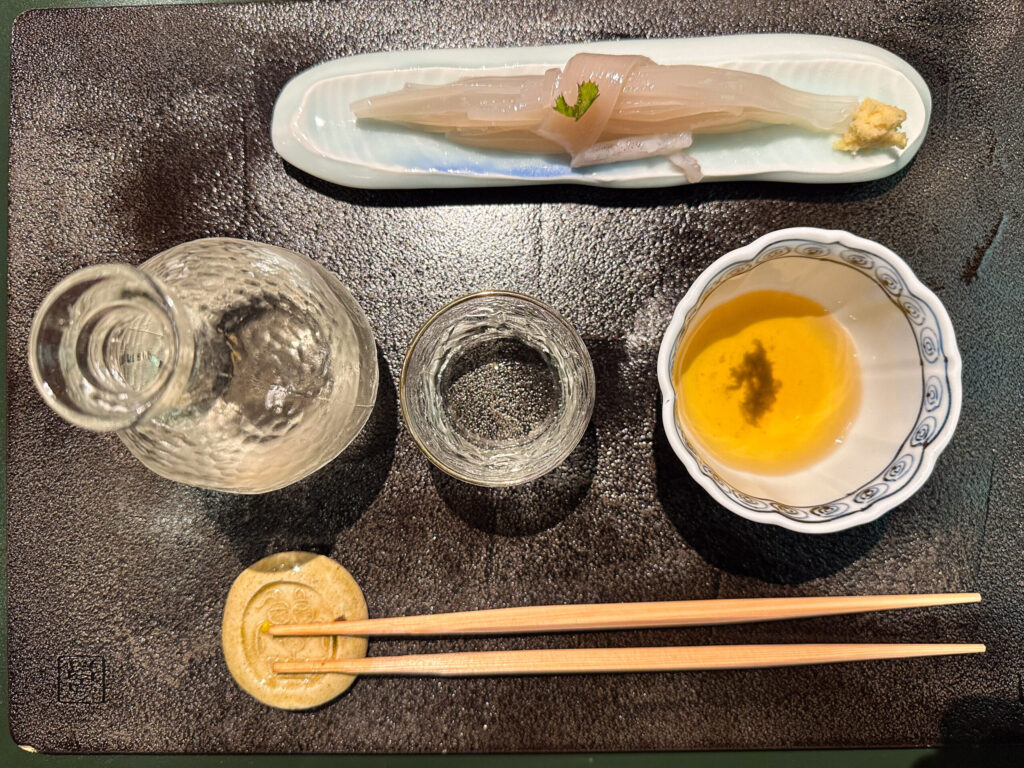
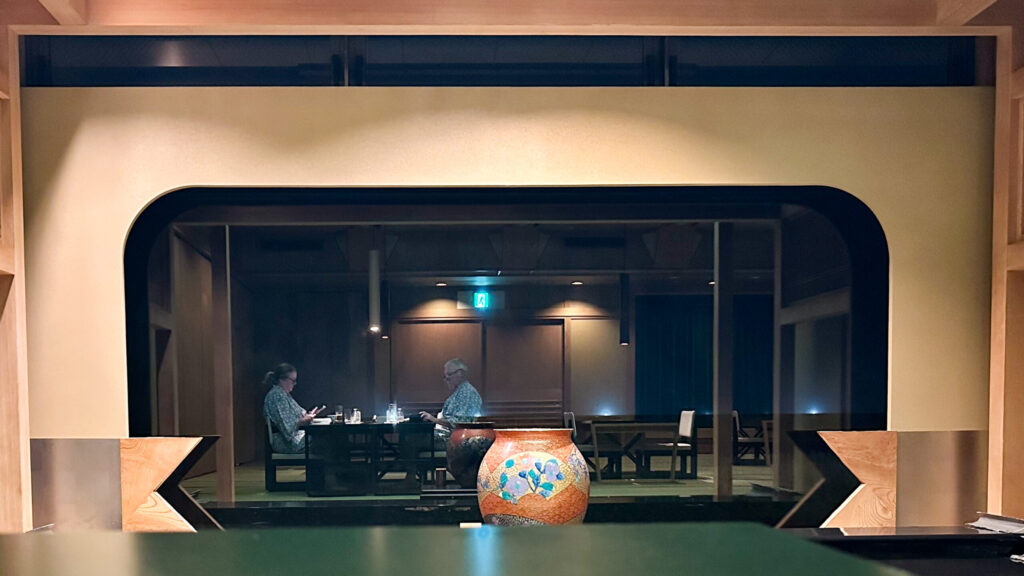
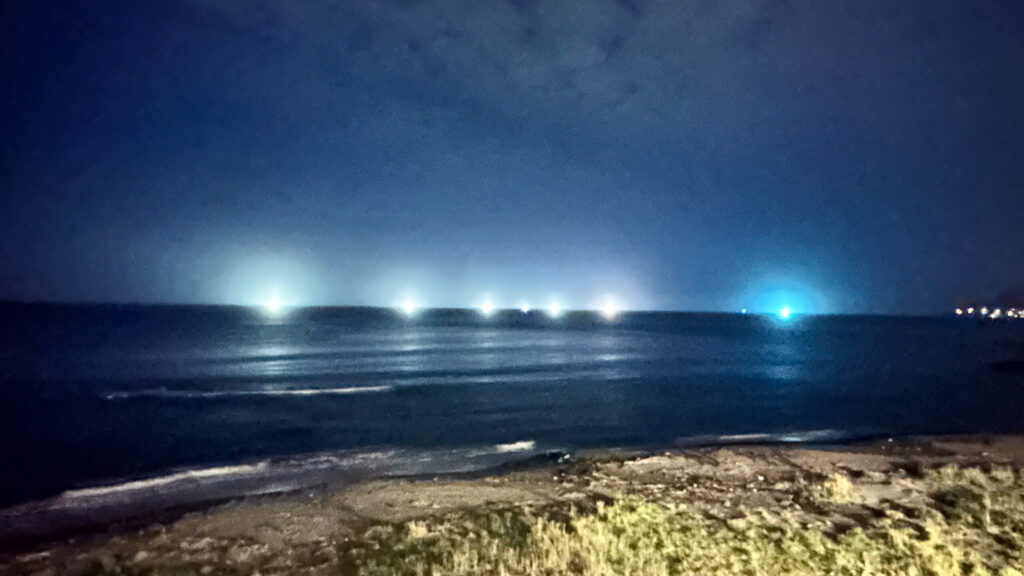
A view of Hakodate from Kappo Ryokan WakamatsuThere are sliding wood screens in front of each door.A futon with a view at Kappo Ryokan WakamatsuWaiting for dinner at Kappo Ryokan WakamatsuSquid. Its whats for dinner. Well, at least one course was.A reflection on dinnerSquid fishermen in the Tsugaru Straits.
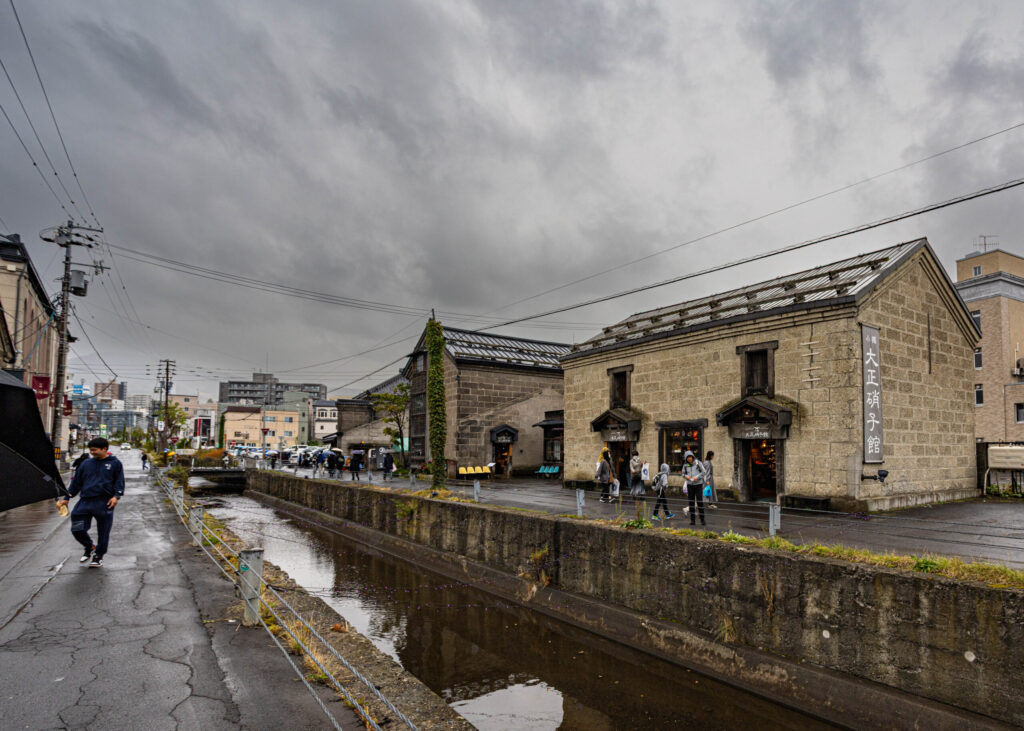
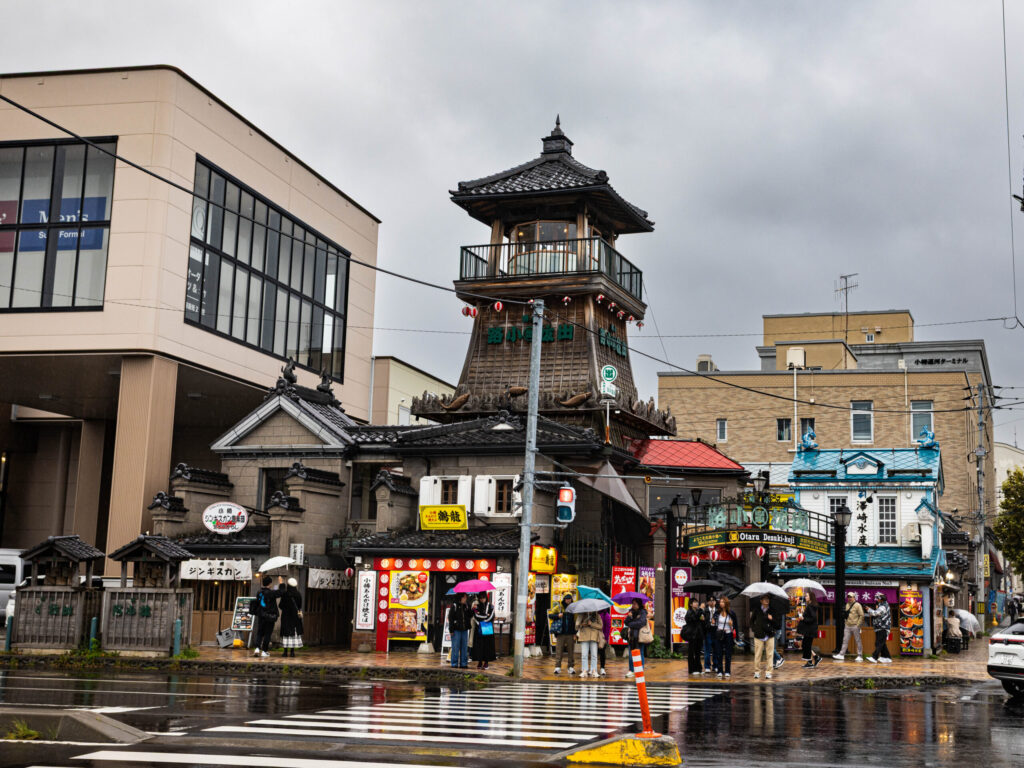
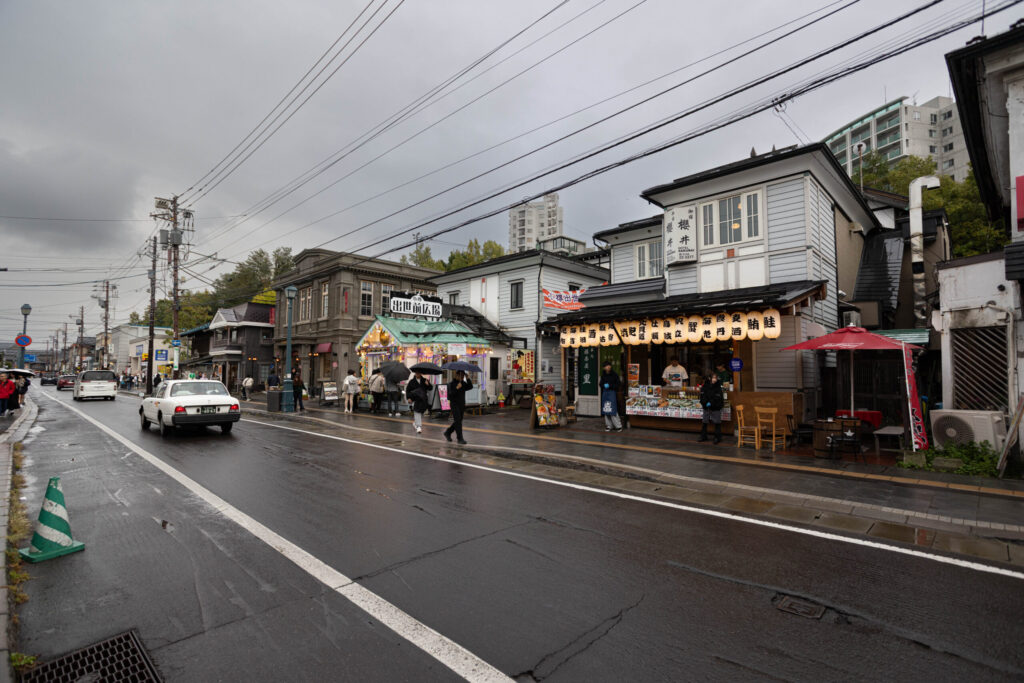
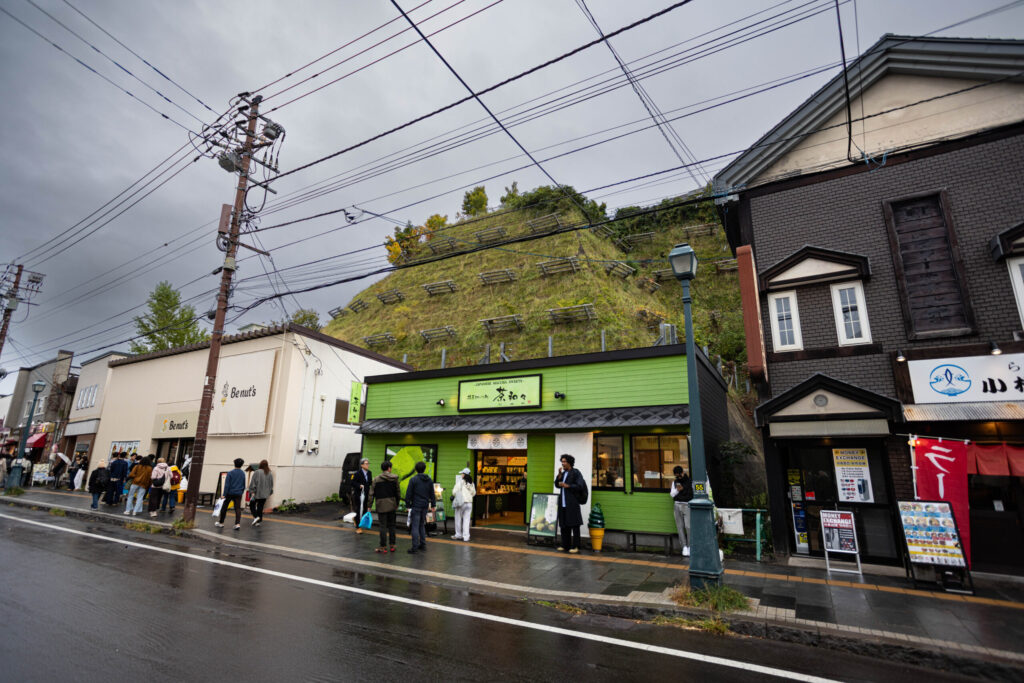
Located a bit west of Sapporo, Otaru was a major port from the start of settlements on Hokkaido. For a while it was one of the richest areas in Japan due to the thriving herring industry. Although that industry is gone due to overfishing, fishing is still popular here as a sport and commercially. And like Monterey in California, which had a thriving Sardine industry, many of the former fishing facilities have been turned into tourist related buildings, places that are great to look at but contain shops that are dedicated to part you with your money. Don’t get me wrong, I enjoyed visiting Otaru and would return given the opportunity. Plus what they have done with the buildings is great on the eye.
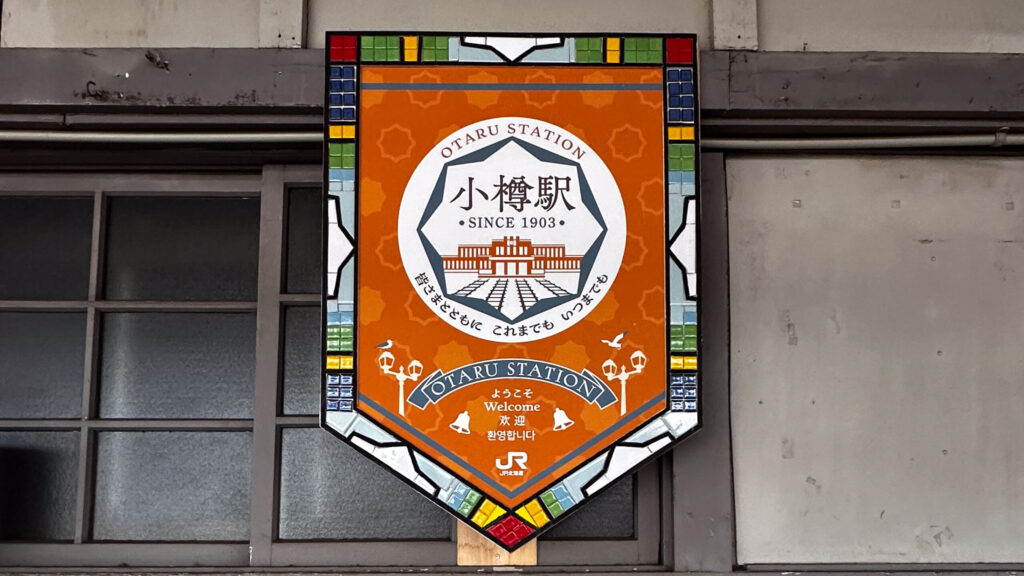
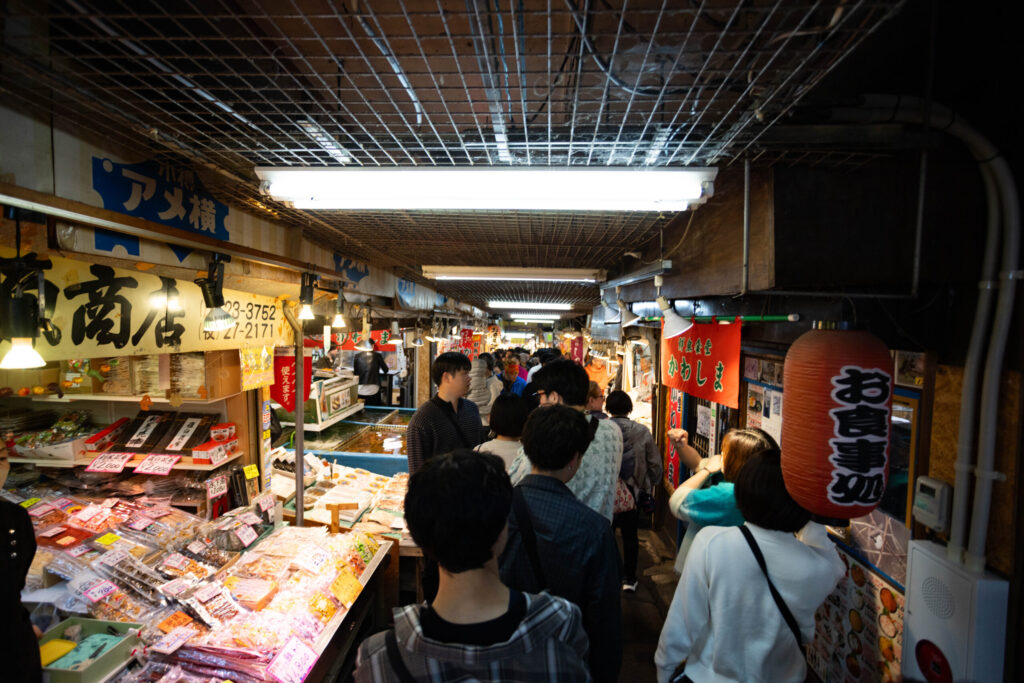
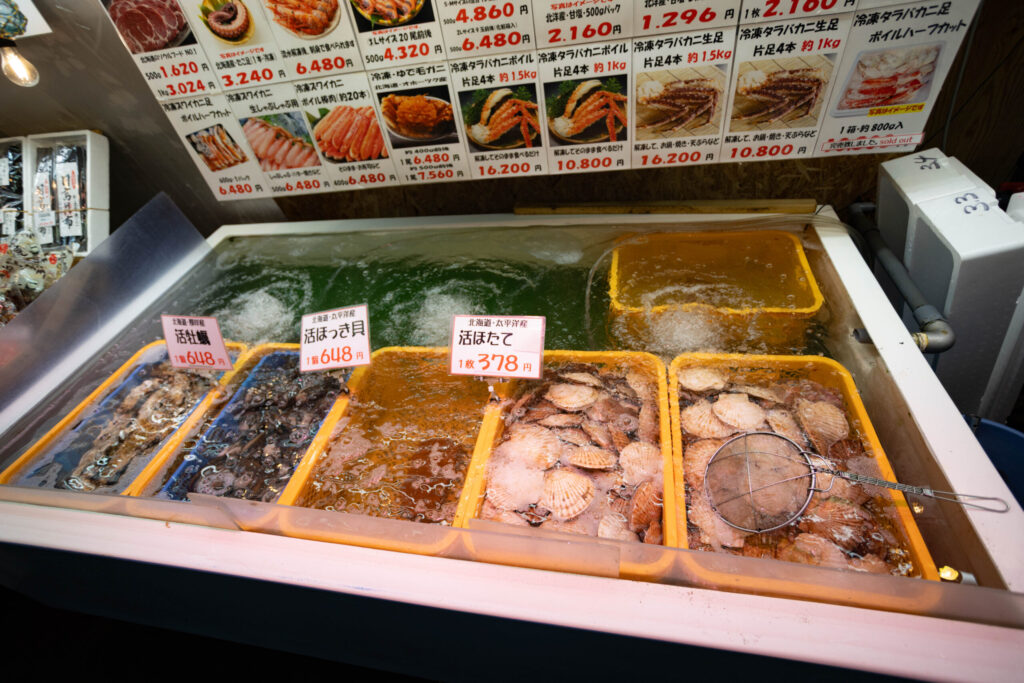
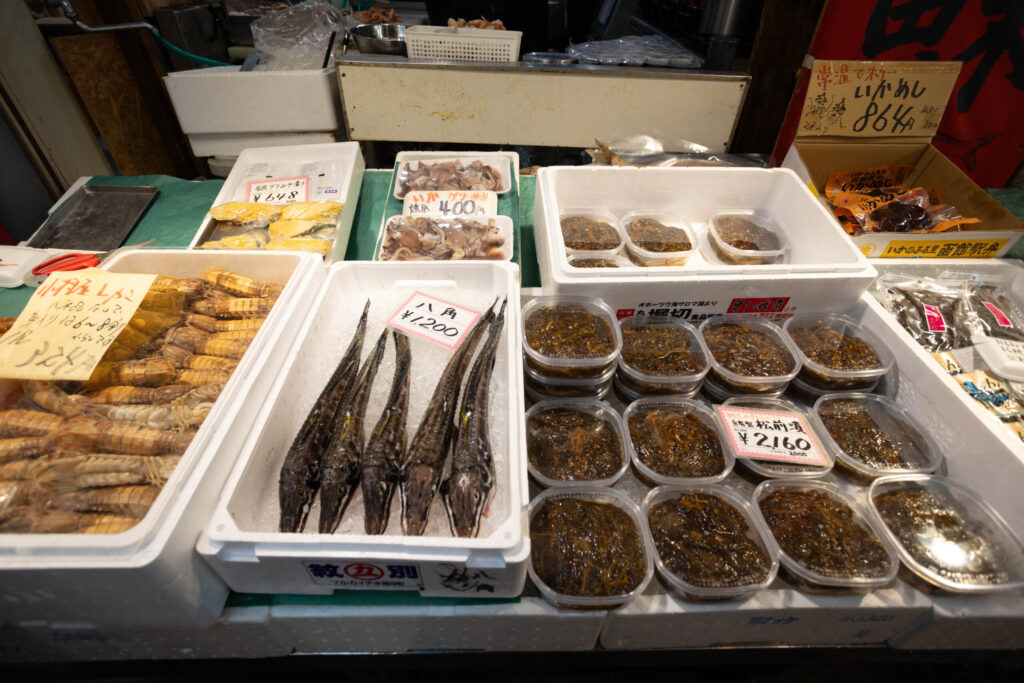
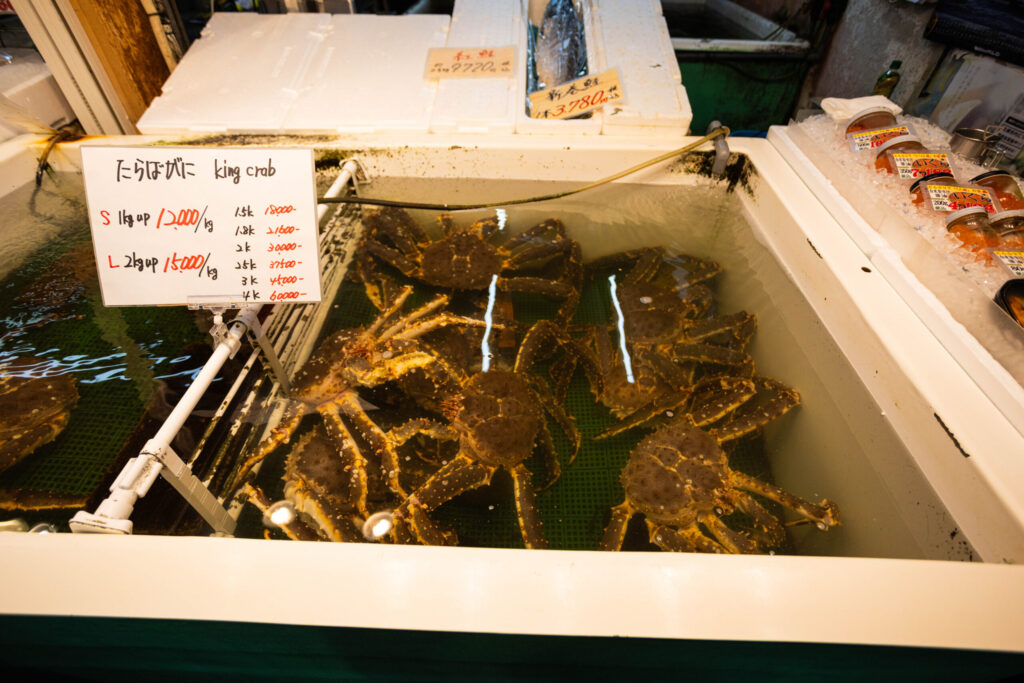
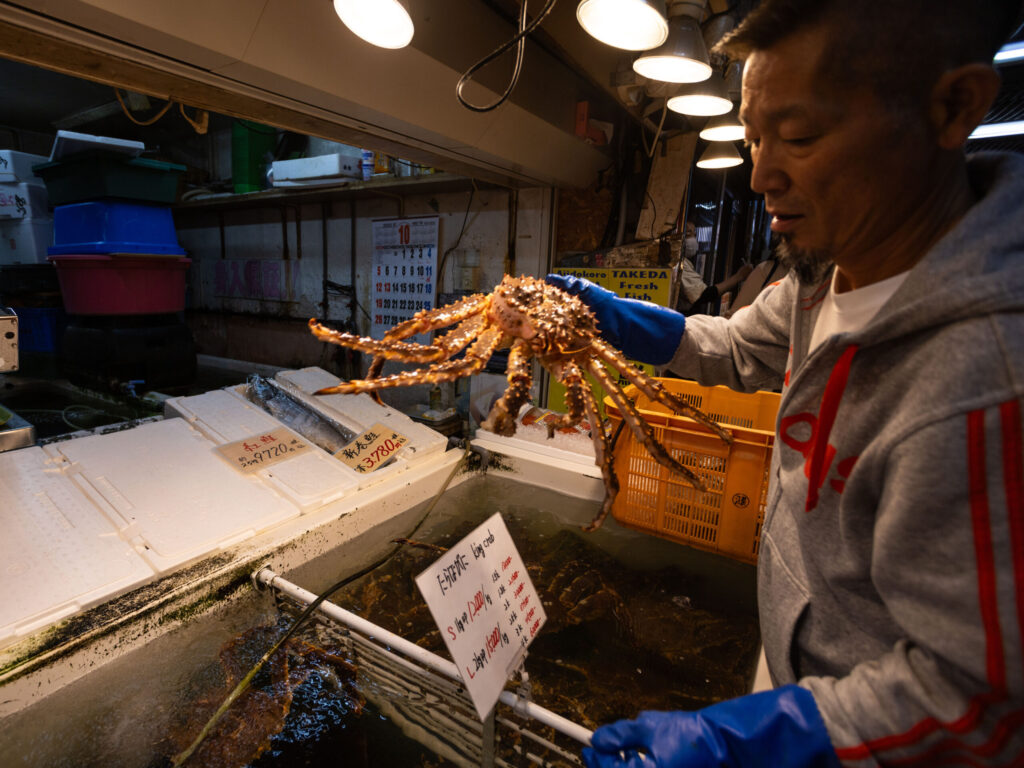
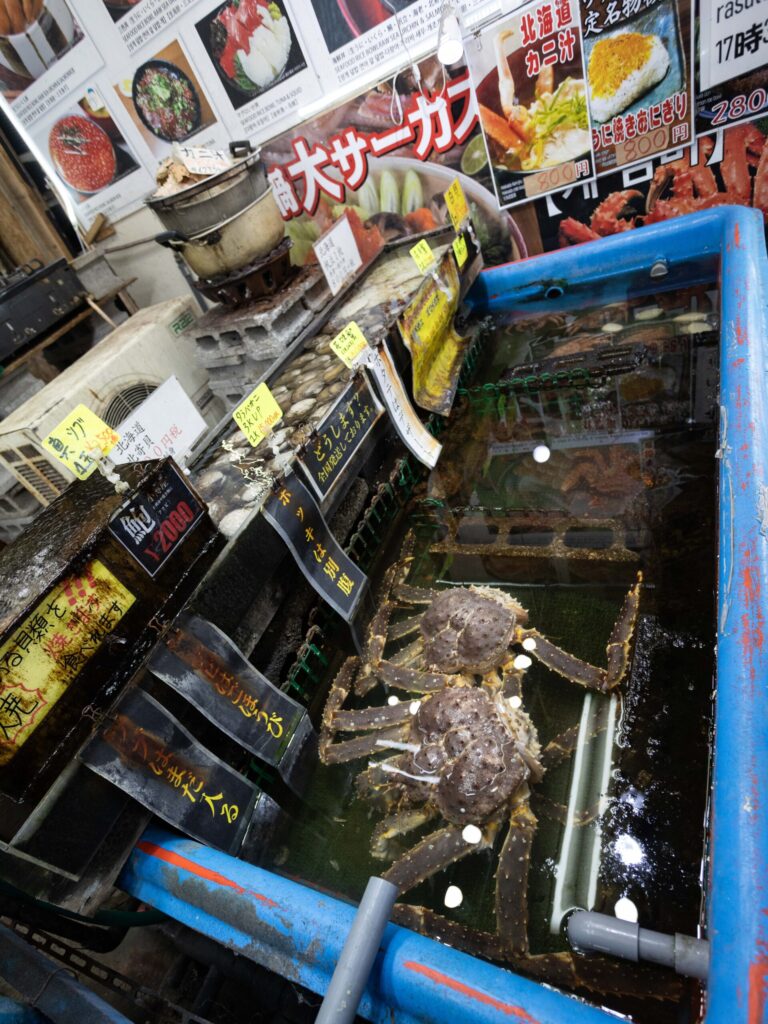
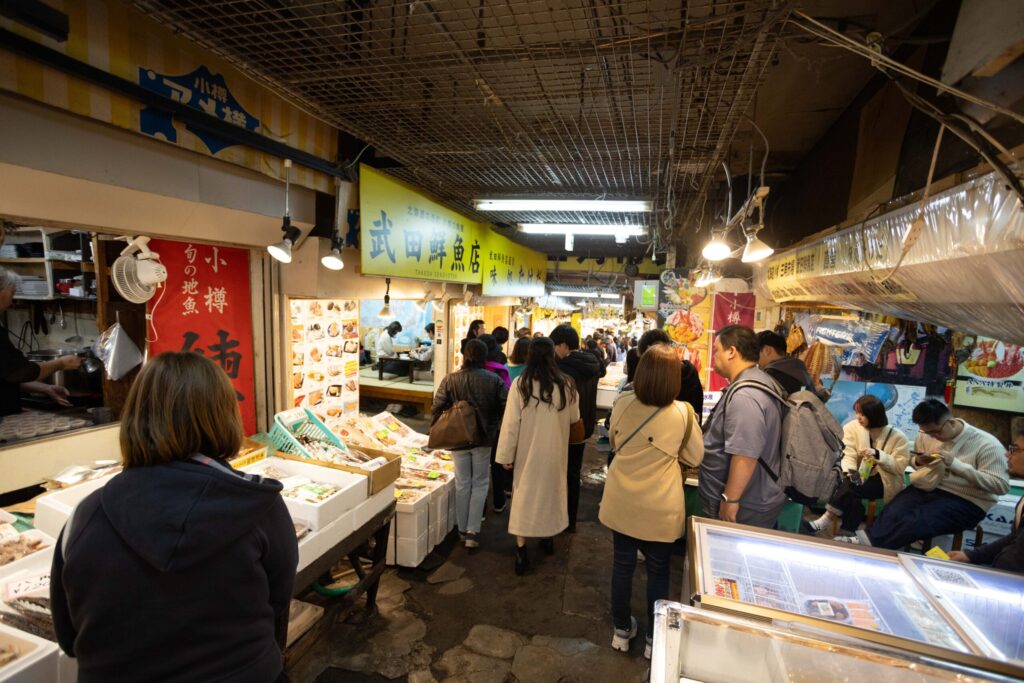
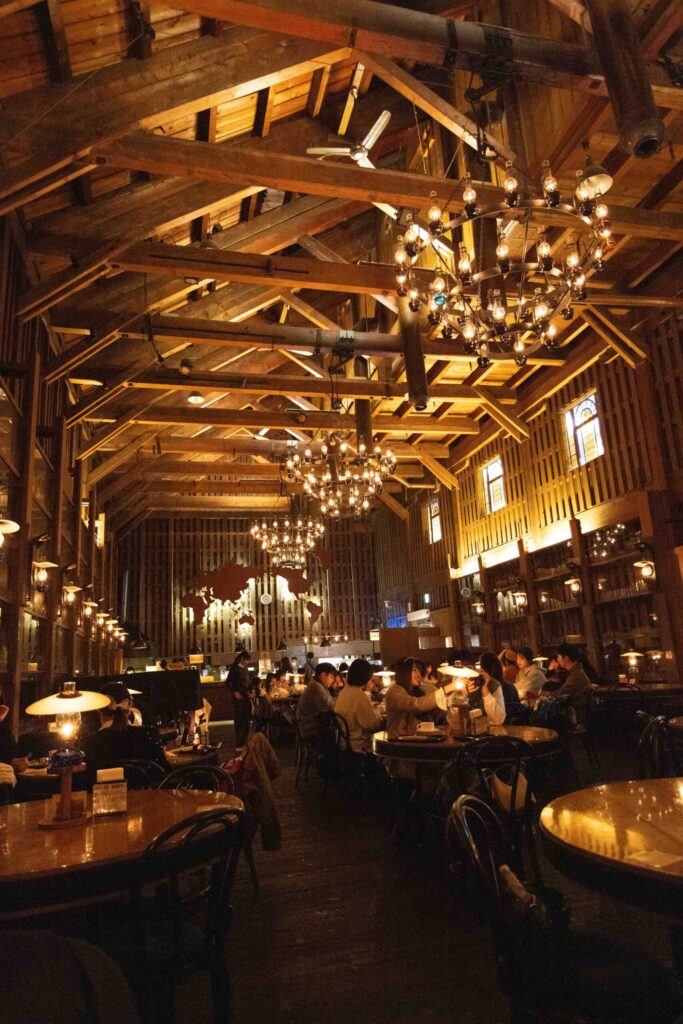
We did have a couple of surprises here, first was the Otaru Sankaku Market (Otaru Triangle Market). Located next to Otaru Station, this market sells fresh seafood and has many inviting small restaurants and cafes. Walking through this was amazing, enough that Kim said she does not need to go to Toyosu Fish Market in central Tokyo anymore, it would disappoint after this one. The next surprise was Kitaichi Hall, with its beautiful wood interior lit by oil burning lamps. The aroma from the lighting gave this cafe an old, authentic feel.
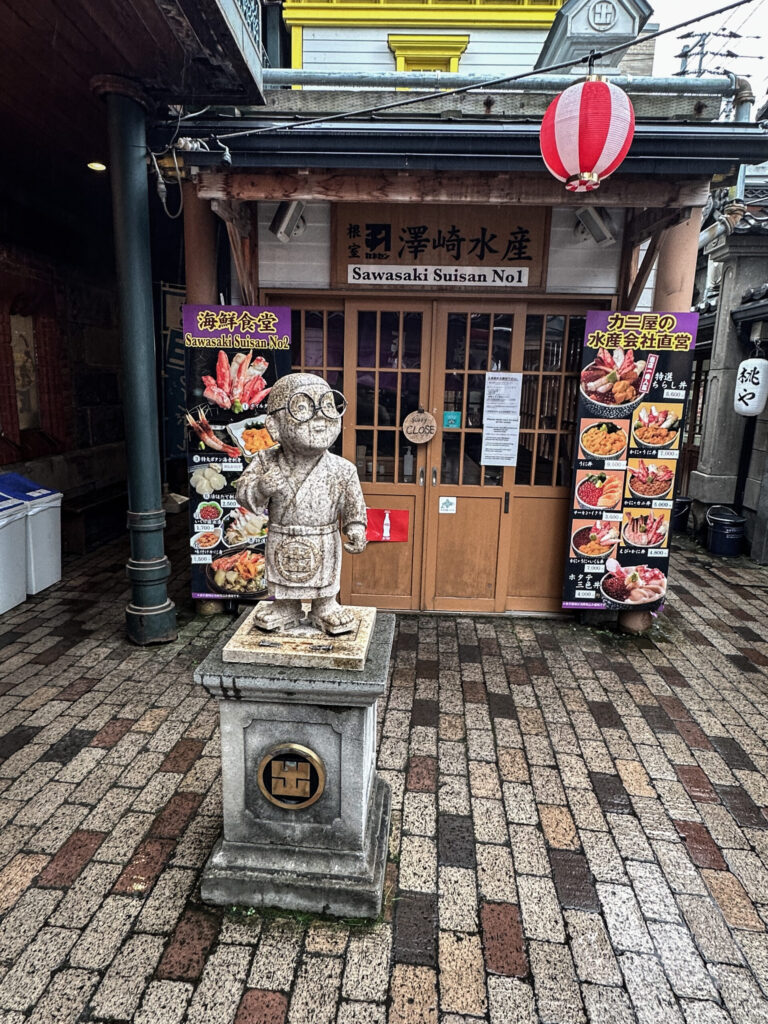
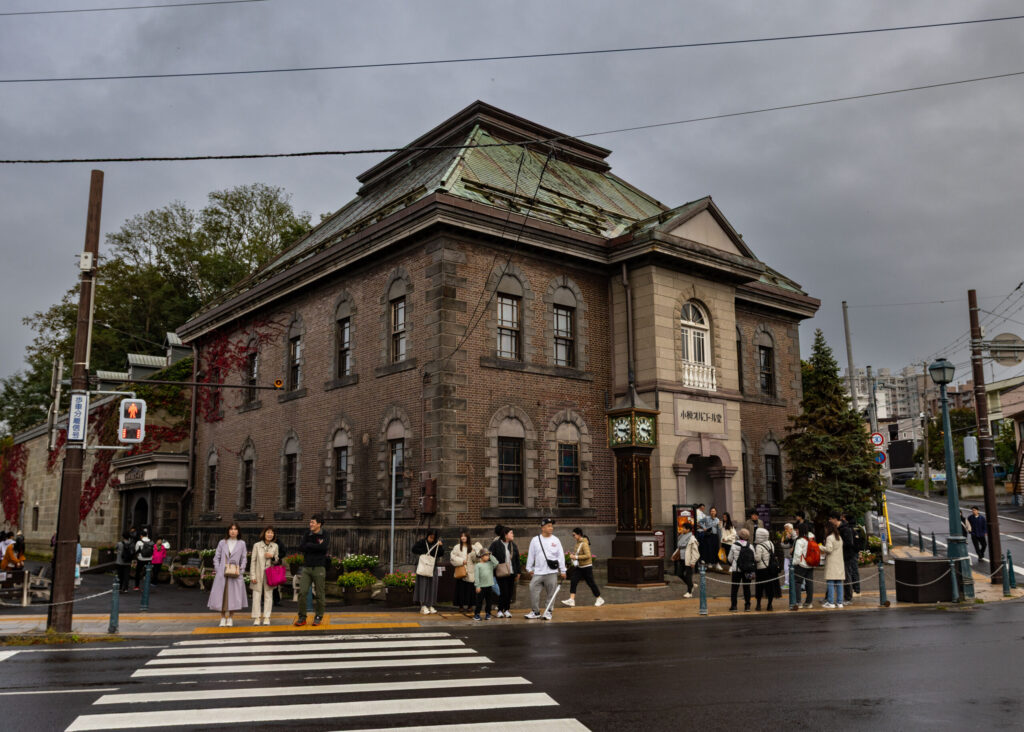
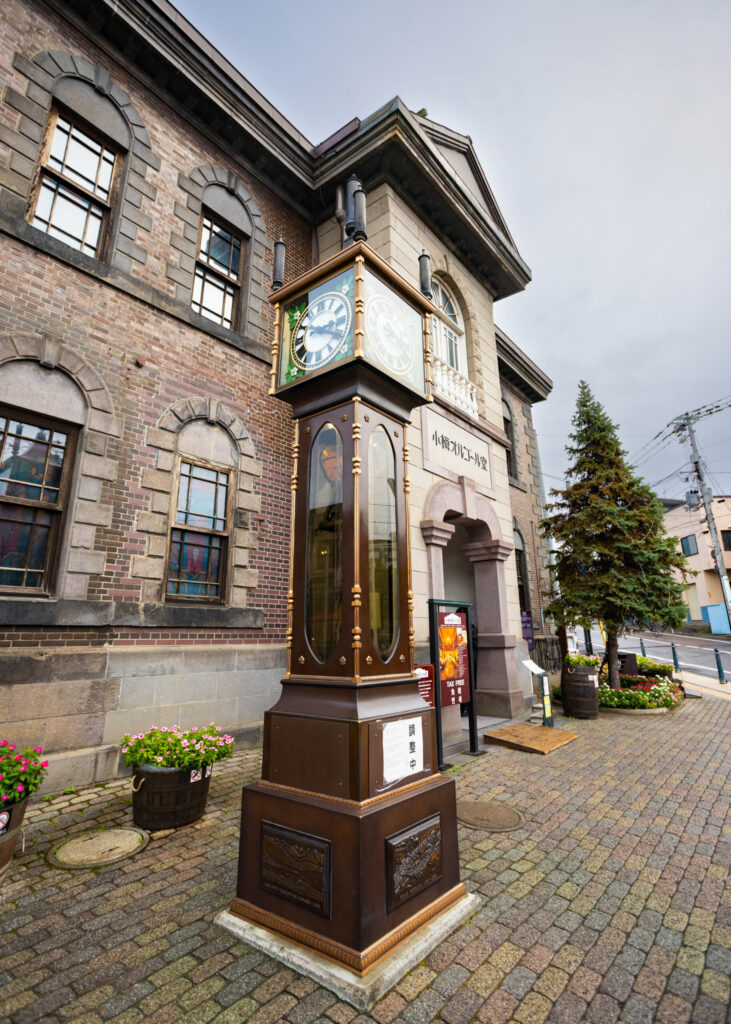
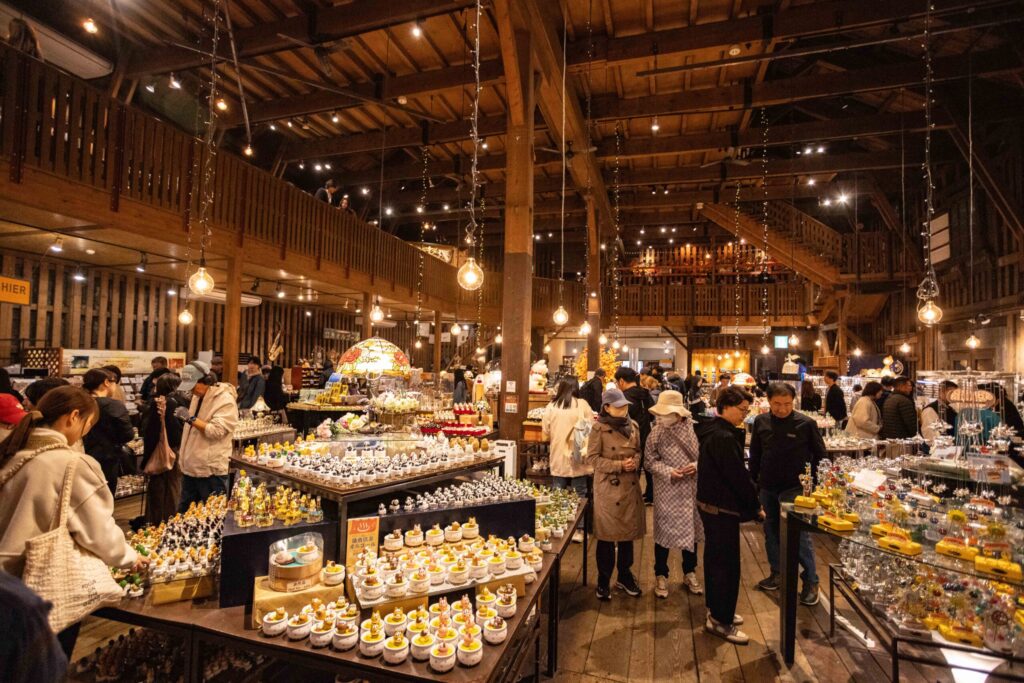
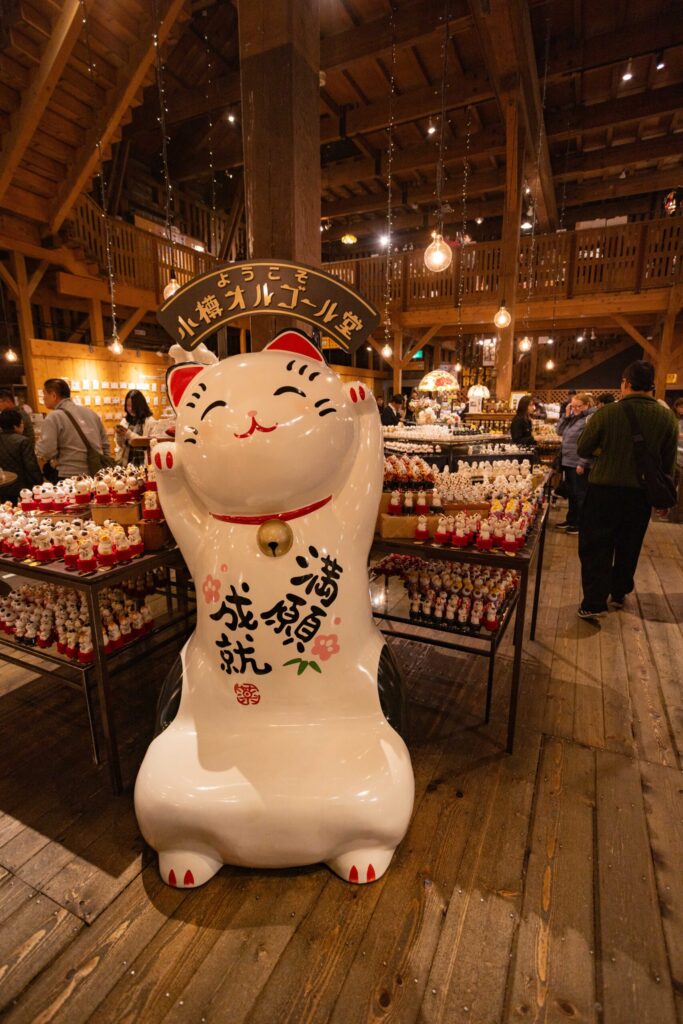
Walking through the narrow Otaru Sankaku MarketSeafood in Otaru Sankaku MarketSeafood in Otaru Sankaku MarketFresh CrabThe size of these things!Many crabs were trying to escapeOtaru Sankaku MarketSome of the canals in OtaruInside Otaru Denuki Koji, a collection of food bars that were modeled around the image of colonial Hokkaido.Inside Otaru Denuki KojiWalking through OtaruWalking through OtaruOtaru Orugoru-do (Otaru Music Box Museum)The Otaru Steam Clock, a gift from Vancouver, B.C.Inside the Otaru Music Box MuseumInside the Otaru Music Box MuseumKitaichi Hall, or “Harry Potter and the Order of the Beer Hall”